Is a Skilsaw the Same as a Circular Saw?
A Skilsaw is a circular saw made by the SKIL brand, but people also use “Skilsaw” informally to mean a handheld circular saw. Check the maker, blade size, and features before comparing tools.
On this page (8 sections)
- Is a circular saw a Skill saw?
- Why do people call circular saws Skilsaws?
- What does circular saw mean in tool terminology?
- How can you tell whether a saw is actually a SKIL?
- Does “Skilsaw” mean a specific blade size?
- Is a Skilsaw different from a track saw?
- What should you check before using a circular saw?
- Which name should you use when shopping?
A Skilsaw is a circular saw made by the SKIL brand, but people also use “Skilsaw” informally to mean a handheld circular saw. The words overlap in everyday conversation, yet the brand name and the general tool type aren't the same thing.
That distinction helps when you shop or follow a project guide. A circular saw describes a class of saws with a rotating round blade; SKIL is one brand that makes them.
Another maker's circular saw doesn't become a SKIL saw just because someone calls it a “skill saw.”
Is a circular saw a Skill saw?
Some people use “Skill saw” as a casual name for a handheld circular saw, but the branded name is SKIL or Skilsaw. The tool type is circular saw, and the brand is identified on the tool.
The brand name is commonly written as SKIL or Skilsaw, with one “l” in SKIL. “Skill saw” with two Ls is a common spelling when someone means the brand or the general handheld tool, but context matters.
A circular saw can be cordless or corded, and its blade size and features vary by model. If a plan says to use a circular saw, it usually refers to the tool type, not a specific brand.
Why do people call circular saws Skilsaws?
The informal use comes from the brand becoming closely associated with handheld circular saws. Over time, some people started using the brand name as a generic-sounding term for that style of tool.
That doesn't make every circular saw a SKIL product. It works like a familiar brand name being used casually for a broader product category, even when the tool in someone's hand is from another maker.
When you see the term in a project, look for clues. If the instructions describe a blade guard, shoe, and handheld cuts through sheet goods or lumber, the writer likely means a circular saw in general.
What does circular saw mean in tool terminology?
A circular saw is a saw that cuts with a rotating circular blade. In common woodworking use, the phrase often means a handheld saw with a flat base, called a shoe, that rides on the material.
The term can also describe other saw designs with circular blades, including table saws and miter saws. Those tools have different layouts and uses, so “circular saw” alone may need context.
For handheld saw shopping, compare the blade diameter, power source, bevel range, weight, and shoe design. Our guide to the best circular saw for cutting wood can help you compare options for common wood cuts.
How can you tell whether a saw is actually a SKIL?
Check the brand label and model name on the tool. A generic reference to a “skill saw” in conversation doesn't confirm the maker.
If you're buying a replacement blade, also check the saw's manual and the blade information printed on the tool. Match the blade diameter, arbor, and intended material to the saw's requirements instead of relying on the informal name.
A blade size doesn't tell you the brand. Nor does a familiar shape: many makers sell handheld circular saws with similar basic layouts.
For a closer look at models from the brand, see our SKIL circular saw review. If you're weighing another brand, this guide to what DeWalt circular saw is best compares DeWalt options.
Does “Skilsaw” mean a specific blade size?
No, the name by itself doesn't identify the blade size. Circular saws come in different sizes, and the exact model determines which blade fits.
For example, these DEWALT saws have different configurations:
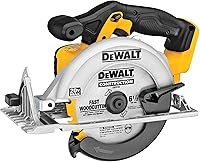
- The DEWALT 20V MAX Circular Saw Cordless has a 6.5 in blade and a battery-powered design.
- The DEWALT 7-1/4-Inch Circular Saw is a corded 7-1/4 in saw.
- The Makita XSH03Z 18V LXT® Lithium-Ion Brushless Cordless is a cordless 6-1/2 in circular saw.
These examples show why the model and specifications matter more than the informal nickname. A 7-1/4 in saw and a compact 6-1/2 in saw may suit different needs, and the name “Skilsaw” doesn't settle that choice.
Is a Skilsaw different from a track saw?
Yes, a track saw uses a guide track to direct the cut, while a handheld circular saw is guided by its shoe, a straightedge, or another guide. The term “Skilsaw” doesn't describe a track system.
A track can help keep a long cut straight, but the saw and track need to be compatible. A circular saw with a separate straightedge can also follow a guide, though the setup differs.
If you're deciding between these approaches, read how a track saw differs from a circular saw with a guide. Whichever saw you use, make a test cut in the same material as the finished piece to check the setup.
What should you check before using a circular saw?
Confirm the saw's blade, cutting depth, bevel setting, and guide setup before starting. The maker's manual explains the controls and the correct blade for the model.
Keep the material supported and secure, and keep hands clear of the blade path. Set the blade depth and make sure the guard moves as intended; stop if the tool or blade appears damaged.
Different brands can have different controls and procedures. Our guide to how to use a Bosch circular saw walks through a model-specific approach.
A compact saw may fit smaller cuts, but it still needs the right blade and support. For that format, see how to use a compact circular saw and compare best mini circular saw cordless options.
Which name should you use when shopping?
Search for “circular saw” when you mean the tool category, and add “SKIL” or “Skilsaw” when you specifically want that brand. Then compare model details rather than assuming the name means a certain blade size or feature set.
If you're choosing a general-purpose saw, start with the cut types and materials you expect to handle. Check blade size, corded or cordless power, bevel capacity, and whether a guide would help your work.
Use “Skilsaw” as a clue to the likely tool type in casual conversation, not as a substitute for checking the maker and model. That keeps the brand distinction clear and helps you choose the circular saw that fits the job.