How to Use a Japanese Pull Saw
To use a Japanese pull saw, mark your cut, support the wood, start with light strokes, and let the blade cut as you pull. Keep the blade aligned with the line and use little pressure on the return.
On this page (9 sections)
- How do you use a Japanese pull saw step by step?
- How should you hold and guide the saw?
- How do you support the wood and the offcut?
- How much pressure should you use on each stroke?
- Which Japanese saw teeth should you use?
- How do you choose a Japanese pull saw for the job?
- What mistakes should you avoid with a pull saw?
- How do you get a clean finish at the end of a cut?
- How to use a Japanese pull saw for cleaner cuts
To use a Japanese pull saw, mark the cut, secure the wood, start with short strokes, and let the teeth cut on the pull. Keep the blade in line with your mark, apply light pressure as you draw it toward you, and relax on the return.
A pull saw's thin blade can follow a narrow kerf, but it needs support and a gentle start. Set up the work before cutting, and practice on scrap if you haven't used this style of saw before.
How do you use a Japanese pull saw step by step?
Support the stock, start a shallow kerf, then use smooth pulls along your cut line. The blade cuts as you draw it toward you, so pushing hard can make it flex or drift.
- Mark the cut clearly on the face and, if needed, the edge of the stock.
- Secure the wood so it won't rock, twist, or close around the blade.
- Set the saw teeth just on the waste side of the line.
- Make a few short, light pulls to establish the kerf.
- Keep the blade aligned and use longer, steady strokes once the kerf guides it.
- Ease up as the cut nears completion so the offcut doesn't tear away.
The kerf is the narrow slot the teeth create. Keeping the blade in that slot helps it track straight; forcing it sideways can widen the cut or damage the teeth.
A Japanese saw cuts on the pull stroke, unlike many Western saws designed to cut on the push. See How Does a Pull Saw Differ from a Push Saw? for a closer look at how the two styles handle.
How should you hold and guide the saw?
Use a relaxed grip and keep your wrist, forearm, and blade moving in line. A light hold gives you room to guide the saw without twisting its thin blade.
Stand or sit so you can see the line and move your arm freely. Hold the handle firmly enough to control it, but don't squeeze so hard that your wrist locks.
Start with the blade at the angle you want for the cut. Use the marks on the top and edge of the board as guides, and pause if the blade starts leaning away from either one.
Don't steer by bending the blade. Stop, withdraw it gently, and realign with the kerf before continuing.
How do you start a cut without slipping?
Use a short, light pull to make a shallow starting kerf. Place the teeth on the waste side of the mark, where a small deviation won't cut into the piece you want to keep.
If the surface is smooth or the stock is narrow, brace the saw's spine or side near the cut only if the saw's design allows it. Keep your fingers clear of the teeth, and don't use a thumb as a guide beside the blade.
Once the teeth have made a small track, continue with controlled strokes. Avoid rocking the saw to widen the slot; that can make the cut uneven.
How do you support the wood and the offcut?
Clamp the work securely and keep the cut area clear. Stable stock lets you focus on the blade instead of correcting movement.
Use a bench, sawhorses, or another solid support that suits the piece. Place clamps where they won't block the saw's path, and check that the wood cannot slide when you pull.
Support the piece on both sides of the cut when practical, but leave room for the blade to pass through. Arrange the offcut so it can fall or separate without pinching the blade.
Keep your free hand away from the teeth and the line of travel. If the workpiece is too small to hold safely by hand, clamp it instead.
How much pressure should you use on each stroke?
Let the pull stroke do the cutting with light pressure, then ease off on the return. Pressing hard can bend a thin blade and make it harder to stay on the line.
Use a steady pace rather than trying to finish in a few forceful strokes. The blade should move freely through the kerf; if it binds, stop and check the support, blade alignment, and offcut.
As the cut gets deeper, use as much of the blade length as the work allows. Keep the motion smooth, and don't yank the saw at the end of a stroke.
Which Japanese saw teeth should you use?
Use rip teeth for cuts along the grain and crosscut teeth across the grain. A double-edge ryoba puts both tooth patterns on one saw, so you can turn it to match the cut.
For a cut that follows the grain, align the rip edge with the layout line. For a cut across the grain, use the crosscut edge; it is shaped for that direction.
A double-edge saw can suit general woodworking where both kinds of cut come up. The best Japanese pull saws guide compares options for different tasks.
What is a flush-cut saw for?
A flush-cut saw trims material close to a surface, such as a dowel or plug that stands proud of a board. Its teeth can sit flat against the surrounding face when the blade is designed for that use.
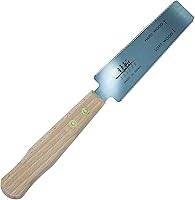
The SUIZAN Flush Cut Saw 5" has a thin, flexible blade and teeth with no set, which SUIZAN describes for flush trimming without scratching the surface. Its two edges have different tooth counts for hardwood and softwood.
A flush-cut saw is not the right choice for every cut. For deeper cuts or long board work, use a saw with a blade and tooth pattern suited to that job.
How do you choose a Japanese pull saw for the job?
Match the saw to the cut, the workpiece size, and the room you have to move. A small flush-cut saw handles close trimming, while a longer ryoba is more versatile for board work.
The RUITOOL Japanese Hand Saw 6 Inch Double has one 17 TPI edge and one 14 TPI edge, with a flexible SK5 steel blade. That double edge gives you two tooth patterns in a compact hand saw.
For a larger double-edge option, the SUIZAN Ryoba Double Edge Saw 9.5" has a 9 TPI rip edge and a 15 TPI crosscut edge. Its blade is replaceable, according to SUIZAN's product details.
If you need a saw that folds for storage, compare best folding Japanese pull saws. For tighter spaces or smaller pieces, see best small Japanese pull saws.
What mistakes should you avoid with a pull saw?
Avoid forcing the blade, starting with a long stroke, or cutting unsupported stock. Those habits make it easier for the saw to wander, bind, or damage the work.
- Don't push down hard during the pull or the return.
- Don't twist the saw to correct a crooked cut.
- Don't let the offcut sag and pinch the blade.
- Don't hold small stock in your fingers near the cut.
- Don't use a tooth edge that doesn't match the grain direction.
Stop if the blade binds or the stock moves. Release the pressure, check the setup, and resume only when the wood is stable and the kerf is clear.
Use a saw meant for the task. A scroll saw follows curves in small work, while a portable band saw cuts stock with a powered moving blade; these methods call for different setups.
See how to use a Ryobi scroll saw, best portable band saws, and best band saw stands for those tools.
A drill attachment is not a substitute for a hand saw's controlled pull stroke. If you're considering one for a different cut, review best circular saw attachments for drills.
How do you get a clean finish at the end of a cut?
Slow down as the blade nears the far edge and support the offcut. A lighter final stroke helps prevent tear-out when the last fibers separate.
Keep the saw aligned with the cut and shorten the stroke if the remaining wood is thin. Don't twist or lift the blade to pry the offcut free.
Check both faces and the edge after the cut. If the surface needs trimming or sanding, remove small amounts and keep the finished edge square to your layout marks.
How to use a Japanese pull saw for cleaner cuts
For cleaner cuts, choose the right tooth edge, clamp the stock, and let light pull strokes follow the kerf. Use a flush-cut saw for material close to a surface, or a double-edge ryoba when you need both rip and crosscut teeth.
Start slowly on the waste side of the line, keep your hand clear, and ease off near the end. The right saw depends on the cut and the space around it, so compare Japanese pull saw options before choosing one.
Frequently asked questions
Should you push or pull a Japanese saw?
Pull the saw to cut and relax pressure on the return stroke. Japanese pull saws cut as the blade moves toward you, so a light pull helps you follow the marked line without forcing the thin blade.
Keep your wrist steady and let the teeth do the work.
How do you start a cut with a Japanese pull saw?
Set the teeth on the waste side of your mark and use a few short, light pulls to make a shallow starting kerf. Keep the blade at the intended angle and avoid pressing hard; once the kerf guides the blade, use longer, controlled strokes.
How do you keep wood from moving while sawing?
Clamp the stock to a stable bench or support it firmly so it cannot shift during the cut. Keep your free hand away from the blade path, and arrange the offcut so it won't pinch the blade as the cut opens.
Which Japanese saw should a beginner use?
A double-edge ryoba gives you rip-cut and crosscut teeth in one saw, while a small flush-cut saw suits trimming dowels and plugs close to a surface. Choose based on the cut and the space available, then practice on scrap before working on a finished piece.