Panel Saw vs Table Saw: Which Should You Choose? (November 2026)
Choose a panel saw for repeated sheet breakdowns and a table saw for broader cutting versatility. Your workspace, sheet size, and need for portable or angled cuts should guide the choice.
On this page (6 sections)
Choose a panel saw for repeated cuts in large sheet goods; choose a table saw for a wider range of everyday shop cuts. In a panel saw vs table saw decision, sheet support and available floor space matter as much as cutting capacity.
A panel saw holds a large panel against a frame while the saw moves across it, or the panel moves through the cut depending on its design. A table saw keeps the blade in the table while you guide the workpiece across it.
Neither format is right for every shop. Compare how often you cut full sheets, what else you need to cut, and how much working room you can provide.

Panel saw vs table saw: what is the main difference?
A panel saw is built around cutting large panels, while a table saw is a general purpose machine for ripping and crosscutting stock. The panel saw supports the sheet during breakdown; a table saw relies on a flat table and careful workpiece support.
Panel saws are commonly mounted vertically on a wall or frame. Their orientation can reduce the amount of floor area used while storing or cutting a sheet, but the saw still needs clearance around the panel and a stable installation.
A table saw puts its blade through a tabletop. You feed the work across the blade using a fence for rips or a miter gauge for certain crosscuts.
For a compact option that can rip sheet goods, the DEWALT 8-1/4-inch portable table saw has 24.5 inches of rip capacity. Its maker describes that capacity as suitable for ripping 4 x 8 plywood or OSB sheets, but large stock still needs support and controlled handling.
Which saw handles a full sheet more easily?
A panel saw usually makes a full sheet easier to manage because the frame supports it during the cut. A table saw can handle sheet goods, but moving a 4 x 8 panel across a tabletop takes more space and coordination.
The exact panel saw layout changes how you load and guide the work. Check its maximum panel size, cut direction, and whether the frame supports the whole panel before choosing one for regular sheet work.
With a table saw, plan for the panel to extend well beyond the table. Use stable infeed, outfeed, and side supports, and get help handling a large sheet when needed.
The DEWALT compact saw's stated 24.5-inch rip capacity shows why a table saw can rip sheet goods, but capacity alone doesn't make full-sheet handling easy. If you want a table saw with a sliding table, compare the carriage size and supported panel dimensions with the sheets you use.
Which saw needs less workshop space?
A panel saw can save floor space when mounted vertically, while a table saw needs clear room around the table and feed path. Measure the working footprint, not just the tool's stored size.
A panel saw attached to a wall keeps its frame upright. You still need an unobstructed area for loading a sheet and enough clearance for the saw carriage or panel movement.
A table saw needs space in front and behind the blade for feeding long stock. Wide panels may also need room at the side, plus stands or helpers to prevent the material from tipping or binding.
If your shop shares space with parking or storage, a portable saw may be easier to move aside than a permanent panel saw frame. The best jobsite table saw options can help you compare portable table saw layouts.
How should you measure the space?
Start with the largest panel or board you expect to cut. Mark its length and width on the floor or wall, then include the operator position and the direction the material travels.
For a wall-mounted panel saw, check wall height, mounting strength, and space for the panel's full width and height. Follow the saw maker's installation requirements.
For a table saw, measure the table and the paths needed to feed your longest material. Include folded or stored position if the saw has a stand, but don't mistake storage dimensions for safe working clearance.
Is a panel saw or table saw more versatile?
A table saw is usually more versatile for a small woodworking shop because it handles repeated rips and many routine stock cuts. A panel saw earns its space when sheet breakdown is a frequent, central task.
A table saw's fence helps repeat rip widths, and its miter gauge supports some crosscuts. A magnetic table saw featherboard can also help guide stock against the fence when the setup allows.
The blade can also be adjusted for bevel cuts, though the safe setup depends on the saw and the cut.
A panel saw specializes in large panels. It can be useful for cabinetry and sheet-based projects, but it may not replace a table saw for narrow boards, repeatable small parts, or other operations.
If you're new to table saws, review the best table saws for beginners and focus on fence adjustment, safety features, portability, and the kind of stock you plan to cut. For broader selection guidance, see which table saw to buy.
Which saw is easier to use for sheet breakdown?
A panel saw is often simpler for repeated sheet breakdown because the panel stays supported against the frame. A table saw can be precise for the same work after the panel is reduced to a manageable size.
The best choice depends on your workflow. If you routinely receive full sheets and need a series of straight cuts, a panel saw can make loading and positioning less awkward.
If sheet cutting is occasional, a circular saw with a suitable guide may take less dedicated shop space. The Kreg Rip-Cut circular saw guide pairs with compatible side-blade saws and supports cuts up to 48 inches wide.
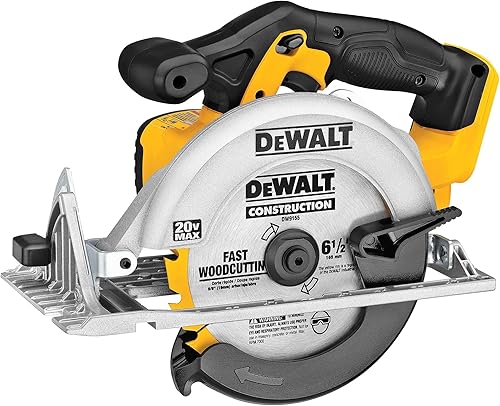
The DEWALT 20V MAX circular saw offers a portable way to make rough breakdown cuts, and its 0–50° bevel capacity supports angled cuts. The battery and charger are sold separately, so account for those if you don't already have a compatible setup.
A guided circular saw cut can leave a panel easier to handle at the table saw. Keep the sheet supported on a stable surface and follow the saw and guide instructions for setup.
Which saw is better for a small woodworking shop?
Choose a table saw if your projects use both sheet goods and solid lumber; choose a panel saw if you mainly break down large sheets. A single-purpose machine can be a poor fit if it leaves other common cuts uncovered.
A compact table saw can provide a fence and tabletop in a smaller format than a full cabinet saw. The DEWALT compact portable model weighs 54 pounds and has rack and pinion fence rails, while the SKIL jobsite model has a folding stand and a stated 25-1/2-inch rip capacity.
These features help with portability and setup, but they don't eliminate the need for working clearance. Long rips and large panels still need safe support beyond the table.
A panel saw is a stronger fit for a shop focused on cabinets, shelving, or other panel-heavy work. Check how often you need to cut boards or small parts before giving up the flexibility of a table saw.
Is a sliding table saw a middle ground?
A sliding table saw supports crosscutting larger panels while retaining table saw functions. It can bridge some of the gap, but it needs space for the sliding carriage and may cost more than a compact jobsite setup.
Compare the carriage travel and panel support with your usual sheet dimensions. A sliding table is useful only if the machine fits the shop and the work you make.
How should you choose between a panel saw and table saw?
Pick a panel saw when full-sheet cutting is frequent and wall or frame space is available; pick a table saw when you need one machine for varied shop cuts. If full-sheet cuts are occasional, a circular saw and guide can handle breakdown before final sizing.
Choose a panel saw if your work centers on sheet goods, you want the panel supported during cuts, and you can install the frame securely. Choose a table saw if you need a fence for repeat rips, work with boards as well as panels, and can allow room around the table.
For infrequent panel cuts, consider a guided circular saw setup. A compact circular saw guide can help you plan a straight breakdown cut before moving smaller pieces to a table saw.
The practical rule is simple: panel saw for sheet handling, table saw for all-around shop cutting. Choose the machine that fits your most common material and the space you can safely give it.
For another comparison involving table saw roles, read how a miter saw differs from a table saw.
Frequently asked questions
Is a panel saw better than a table saw for plywood?
A panel saw is often easier for breaking down full plywood sheets because it supports the panel vertically or horizontally during the cut. A table saw can rip sheet goods too, but you need enough infeed, outfeed, and side support to control the large panel safely.
Can a table saw cut a full sheet of plywood?
Yes, a table saw can cut a full sheet if its rip capacity, clearances, and support setup suit the cut. Many users first break a sheet into smaller pieces with a guided circular saw, then use the table saw for accurate final sizing.
Does a panel saw replace a table saw?
A panel saw can replace some sheet breakdown work, but it usually does not offer the same range of shop cuts as a table saw. If you also need repeated rips on boards, narrow stock, or other table saw operations, the tools serve different roles.
Which saw takes up less workshop space?
A wall-mounted or compact panel saw may leave more open floor space when stored, while a table saw needs room around its table for feeding stock. Actual space depends on the model and whether you can fold, move, or store the equipment between jobs.


