9 Best Coping Saws for Woodworking (November 2026)
The best coping saws for woodworking include the KAKURI Coping Saw Coping Frame for a deep frame and blade choice, the Bahco BAH301 6-1/2" Coping Saw for turning the blade to the cut, and the AMERICAN MUTT TOOLS Mutt Tools Coping Saw for three wood tooth options.
On this page (7 sections)
- How we chose coping saws for woodworking
- The best coping saws for woodworking, ranked
- How do you choose a small coping saw for curves?
- What blade should you use for woodworking?
- Is a coping saw better than a scroll saw for detail work?
- How do you make a clean coping saw cut?
- Which coping saw should you choose for woodworking?
The best coping saw for woodworking is the KAKURI Coping Saw Coping Frame for most people who want room for wide work and blades for several materials. Bahco is a strong alternative for its 360-degree blade rotation, while Mutt Tools gives you three tooth counts for wood cuts.
Coping saws are hand tools for curves, joinery, and inside cutouts. We compared frame depth, blade options, rotation, and included replacements to help you match a small coping saw to the work on your bench.
Our picks at a glance
-
1
 Best for a deep frame and blade choice
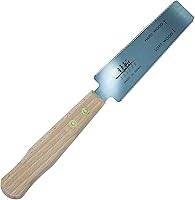
KAKURI Coping Saw Coping Frame
9.7/10 our score
See it on Amazon -
2
 Best for turning the blade to the cut
Bahco BAH301 6-1/2" Coping Saw
9.6/10 our score
See it on Amazon -
3
 Best for three wood tooth options
AMERICAN MUTT TOOLS Mutt Tools Coping Saw
9.4/10 our score
See it on Amazon
- 4
 Best for tool-free blade changesCheck it
- 5
 Check it
FOXBC 6-1/2 Coping Saw Blade Assortment
Best for stocking replacement blades - 6
 Best for mixed detail cutsCheck it
- 7
 Check it
MAGIC-SAW Magic Frame Depth Coping Saw
Best for varied material cutouts - 8
 Check it
Knew Concepts 6 1/2 Inch Woodworker's Aluminum
Best for a light aluminum frame - 9
 Check it
FreeStyle Coping Saw with the 360° Spyral
Best for cuts in any direction
How we chose coping saws for woodworking
The best coping saw for woodworking gives you control over curved cuts, enough frame depth for your workpiece, and a blade that matches the material. We compared those details across the frames and blade sets here.
Frame depth matters when you cut into the middle of a wide board because the frame must clear the edge. Blade options matter when you switch between fast rough shaping and finer turns.
A rotating blade can also help you set the cutting direction without changing your grip on the work.
This roundup is based on the features and specifications available for each pick. Our score weighs specs and features against the needs of woodworking cuts, including curves, joinery, and tight cutouts.
| Product | Best for | Frame depth | Blade length | Included blades | Our score |
|---|---|---|---|---|---|
| KAKURI Coping Saw Coping Frame | a deep frame and blade choice | 6.3 in | 5.1 in | 5 | 9.7 |
| Bahco BAH301 6-1/2" Coping Saw | turning the blade to the cut | 9.6 | |||
| AMERICAN MUTT TOOLS Mutt Tools Coping Saw | three wood tooth options | 9.4 | |||
| JORGENSEN Pro Coping Saw Set | tool-free blade changes | 6-1/4 in | 6-1/2 in | 3 | 9.3 |
| FOXBC 6-1/2 Coping Saw Blade Assortment | stocking replacement blades | 6-1/2 in between pins | 8.9 | ||
| KATA 6.5" Coping Saw | mixed detail cuts | 6 | 8.6 | ||
| MAGIC-SAW Magic Frame Depth Coping Saw | varied material cutouts | 3.5 in | 8.4 | ||
| Knew Concepts 6 1/2 Inch Woodworker's Aluminum | a light aluminum frame | 6-1/2 in | 8.1 | ||
| FreeStyle Coping Saw with the 360° Spyral | cuts in any direction | 7.9 |
The best coping saws for woodworking, ranked
The KAKURI is the top pick for its 6.3 in frame depth and five included blades, while Bahco and Mutt Tools offer distinct blade-control options. The remaining picks suit specific needs such as replacements, mixed materials, or multidirectional cuts.
KAKURI Coping Saw Coping Frame: Best for a deep frame and blade choice
- 6.3 in frame depth
- 5 replacement blades for wood, wood board, plastic, and light metal
- Keyless blade changes
A deep frame leaves room for wide timber and interior cutouts. Five included blades cover woodworking, wood board, plastic, and light metal.
Pros
- Deep frame for wide workpieces
- Blades for several materials
- Change blades by turning the handle
Cons
- Blade length is 5.1 in
- Included set may be more than needed for wood-only work
The KAKURI frame is a flexible choice for a bench where wood is the main material but plastic or light metal may come up too. It includes five blades: two for general woodworking, one for wood board, one for plastic, and one for light metal.
Its 6.3 in frame depth gives clearance for wide timber and interior cuts. For a small coping saw shopper, that depth is worth checking against the width of the workpieces you shape most often.
Blade changes are made by turning the wooden handle, so you don't need a wrench or screwdriver. The 5.1 in blade length is shorter than several standard 6.5 in options, so confirm replacement fit before buying extra blades.
Choose KAKURI when frame clearance and blade choice matter more than having one fixed blade setup. Its range makes it a useful starting point for DIY and craft work.
Bahco BAH301 6-1/2" Coping Saw: Best for turning the blade to the cut
- Blade rotates 360 degrees
- 14 TPI hardened carbon steel blade
- Nickel-plated steel frame and beechwood handle
The rotating blade helps you approach curved and hard-to-reach cuts from different angles. Its 14 TPI blade is aimed at controlled coping and joinery.
Pros
- Full blade rotation
- Specified 14 TPI blade
- Beechwood handle
Cons
- One blade included
- Confirm blade length and replacement fit before ordering
The Bahco BAH301 suits precise curved cuts when you want to change the blade's angle relative to the frame. Its blade rotates a full 360 degrees, which can help you approach a tight curve or hard-to-reach cut without twisting the workpiece.
The supplied blade is hardened and tempered carbon steel with 14 TPI teeth. Bahco describes the saw for fine coping, joinery, and detailed scrollwork, so it fits work where a controlled cut matters more than speed.
A nickel-plated steel frame and beechwood handle give this saw a traditional layout. One blade is included, so consider the cost and availability of suitable pinned replacements as part of your choice.
Pick Bahco if rotating blade orientation is a priority. For more general options, see our best hand saw for woodworking guide.
AMERICAN MUTT TOOLS Mutt Tools Coping Saw: Best for three wood tooth options
- 6.5 in frame
- Three blades at 14, 18, and 24 TPI
- Tension adjustment
Three tooth counts let you pick between faster cuts and finer detail. The set is intended for woodworking, curves, and interior cutouts.
Pros
- Three tooth counts included
- Tension adjustment
- Compatible with standard replacement blades
Cons
- Blade length is not specified in the product data
- Blade changes and tension need adjustment
Mutt Tools is a good fit when you want to adjust tooth count for different woodworking cuts. The set includes 14, 18, and 24 TPI blades, which lets you move from faster cuts toward finer detail without changing saw frames.
The 6.5 in frame includes a tension adjustment mechanism. Its feature set is aimed at curves, interior cutouts, trim, and detailed patterns, with manual control similar to a scroll saw.
The details don't state the blade length, so check the replacement size before ordering extra blades. Standard replacement compatibility is noted, but it's still sensible to match the pin-to-pin length and attachment style.
Choose this set when a range of tooth counts is more useful than a material-specific assortment. If your cuts call for powered interior curves, compare it with our best scroll saw for woodworking.
JORGENSEN Pro Coping Saw Set: Best for tool-free blade changes
- 6-1/4 in frame depth
- 15 TPI blade and 2 replacement blades
- Adjustable tension
This set pairs a 15 TPI blade with two replacements and a deep frame for wide workpieces. The handle releases and secures blades without extra tools.
Pros
- Two replacement blades included
- Deep frame
- Tool-free blade changes
Cons
- Only one tooth count is specified
- Use the correct blade for the material
The JORGENSEN Pro set combines a 6-1/4 in frame depth with three 6-1/2 in blades. That gives you two replacements alongside the supplied 15 TPI blade, useful when you want spares ready at the bench.
Its adjustable tension is intended for intricate shapes and fitting corners for miter joints. The plastic handle turns to release the blade, so you can swap it without a separate tool.
The set is described for wood, wood panels, PVC, and light metal. For woodworking, focus on whether 15 TPI suits the cuts you make most often, since the included blade count adds spares rather than different tooth options.
This is a practical pick if you want a deep frame and extra pinned blades in one set. For trim-specific fitting, also read our guide to the best coping saw for baseboards.
FOXBC 6-1/2 Coping Saw Blade Assortment: Best for stocking replacement blades
- 48 blades
- 10, 15, 20, and 32 TPI options
- 6-1/2 in between pins
This assortment suits a compatible frame when you want several tooth choices on hand. It includes coarse, medium, fine, and metal-cutting options.
Pros
- Four tooth counts
- 48 blades total
- Fits standard frames according to FOXBC
Cons
- Blades only, no frame
- Confirm pinned blade compatibility
FOXBC is a blade assortment for woodworkers who already have a compatible frame and want replacement choices in the drawer. The 48-pack includes 10, 15, 20, and 32 TPI blades, with 12 blades in each tooth count.
FOXBC describes 10 TPI as a coarse, fast-cutting option for thicker material, 15 TPI as a common coping saw blade, and 20 TPI as a finer choice for tighter turns. The 32 TPI blades are for non-ferrous metals, not a substitute for a wood blade.
The blades are 6-1/2 in between pins and are described to fit standard coping saw frames. Check that your frame uses the same pinned length and attachment before stocking up.
Choose this pack if replacing blades is the main need, or if you want to compare tooth counts on scrap. For non-wood cuts, our guide to the best coping saw for metal covers the material-specific tradeoffs.
KATA 6.5" Coping Saw: Best for mixed detail cuts
- 6 blades with 14, 18, and 24 TPI options
- Rigid steel frame
- TPR handle
The blade assortment covers different levels of cut speed and detail. KATA describes the saw for wood, plastic, and soft metals, not hard metal.
Pros
- Six blades included
- Three tooth counts
- Keyless blade change
Cons
- Not intended for hard metal
- Confirm blade compatibility when replacing blades
KATA gives you a six-blade set with 14, 18, and 24 TPI choices. That spread is useful when one project includes quick shaping and finer detailing, though the details differ on whether the set contains five or six blades, so confirm the package contents before ordering.
The saw has a rigid steel frame and a TPR handle. KATA describes it for wood, plastic, and soft metals, and says it is not for hard metal use.
Use a tooth count that leaves multiple teeth engaged with the wood as you cut, and let the blade follow the line without forcing a turn. A tighter curve may call for a finer blade and slower strokes.
This is a reasonable small coping saw option for crafts and shop projects where several tooth choices are handy. For plastic work, compare our best coping saw for plastic guide.
MAGIC-SAW Magic Frame Depth Coping Saw: Best for varied material cutouts
- 5 blades included
- For wood, plastic, bamboo, and soft metals
- Hand-powered frame
This frame is presented for cutting more than wood, including plastic and soft metals. Its listed blade length is shorter than the other options here, so check whether it suits your cutout depth.
Pros
- Designed for several materials
- Hand-powered
- Compact listed blade length
Cons
- Blade length is 3.5 in
- Included components are not clearly specified
MAGIC-SAW is presented as a multi-material frame for wood, plastic, bamboo, and soft metals. That range may suit repair and craft tasks that cross materials, but its listed blade length is 3.5 in, so check the intended cut depth before choosing it for woodworking.
The frame is hand-powered and has a plastic handle. The product information describes carbon blades as flexible and heat-treated, but does not clearly identify the included components, despite the title mentioning five blades.
Because blade length and package contents affect the actual work this saw can handle, verify both before you buy. For conventional woodworking curves, the longer-blade frames above have clearer blade details.
Choose it when varied materials matter and the shorter blade fits your project. It is less straightforward if you mainly need a standard wood coping saw for repeated joinery cuts.
Knew Concepts 6 1/2 Inch Woodworker's Aluminum: Best for a light aluminum frame
- Machined 6061-T6 aluminum body
- 6-1/2 in deep throat
- Accepts standard 6.5 in pinned blades
The aluminum frame weighs 9 oz and accepts standard 6.5 in pinned blades. Its deep throat gives room for interior cuts in a workpiece.
Pros
- Light aluminum frame
- Deep throat
- Blade indexes through 360 degrees
Cons
- One blade included
- Tension system requires setup
Knew Concepts stands out for its machined aluminum frame, which weighs 9 oz and has a 6-1/2 in throat. It accepts standard 6.5 in pinned coping saw blades, so you can choose a blade suited to your wood and cut.
The frame indexes through 360 degrees, letting you change blade direction around a workpiece. A cam-lever tension system and spring-loaded indexing hooks are specified, so take a moment to learn how the adjustment and locking positions work before cutting.
One premium blade is included. The frame's strength is its low stated weight and blade orientation, rather than a large assortment of blades.
Pick it if you value a light aluminum frame and want to supply your own pinned blades. Check the blade fit and tension setup before using it on a detailed cut.
FreeStyle Coping Saw with the 360° Spyral: Best for cuts in any direction
- Five spiral blades included
- Spiral teeth cut in any direction
- Frame can also use conventional pinned blades
The spiral blades are designed to cut in any direction without turning a flat blade. The frame can also use conventional pinned blades, which are not included.
Pros
- Cuts in multiple directions
- Three spiral blade diameters
- Can also use conventional pinned blades
Cons
- Spiral blades differ from standard flat blades
- Conventional pinned blades are not included
FreeStyle uses spiral blades designed to cut in any direction, which changes how you approach a curved pattern. The set includes five spiral blades in three diameters: 0.028, 0.040, and 0.050 in.
The frame can also accept conventional pinned coping saw blades, but those blades are not included. That gives you a choice between the spiral style and a familiar flat blade if you already have compatible replacements.
The manufacturer describes the spiral blades for wood, plastic, bone, aluminum, and brass. They may suit intricate patterns where turning a flat blade is awkward, although the spiral cut will feel different from a standard coping saw blade.
Choose FreeStyle when multidirectional cutting is the main goal. If you want a powered saw for repeated patterns, compare the options in our best scroll saws for crafts guide.
How do you choose a small coping saw for curves?
Choose a small coping saw by checking frame depth, blade length, and how easily you can rotate or replace the blade. Those details determine whether the saw can reach the cut and follow its path.
A deeper frame leaves more room between the blade and the frame for wide stock. Measure the distance from the board edge to the deepest point of your planned cut, then compare it with the saw's throat depth.
Blade rotation is useful when a curve changes direction or the workpiece is hard to reposition. The Bahco and Knew Concepts frames list 360-degree rotation, while FreeStyle uses spiral blades that cut in any direction.
For straight layout lines and square reference marks, a woodworking square helps you mark the cut before you begin. Keep the line visible and clamp the work securely.
What blade should you use for woodworking?
Use a blade with teeth suited to the cut and wood thickness, and confirm that its length and pin style match the frame. A finer tooth count can help on tight turns, while a coarser blade can remove material faster.
The picks here include blades from 14 to 24 TPI for woodworking, plus FOXBC's 10 and 20 TPI choices. Tooth count is only one part of fit: the blade must sit securely under tension, and the frame must have enough throat depth for the cut.
Don't force the saw around a curve. Make relief cuts toward the line when removing waste from a tight inside corner, then turn the frame gradually as the blade clears material.
Our guide on how to match a saw blade to the tool and material explains how to check blade fit and material before cutting.
Is a coping saw better than a scroll saw for detail work?
A coping saw is better when you need a portable hand tool for occasional curves, joinery, or a small interior cutout. A scroll saw makes more sense for repeated patterns or longer sessions where powered cutting is useful.
A hand coping saw gives you direct control over stroke speed and direction, but your pace depends on hand movement. A scroll saw can keep a blade moving while you guide the work, and usually needs a stable bench setup.
If you're deciding between manual control and powered pattern work, compare our best scroll saw for woodworking picks. For hobby patterns and ornaments, see the best scroll saw for crafts.
How do you make a clean coping saw cut?
A clean coping saw cut starts with a sharp, correctly installed blade and a workpiece held steady. Keep the blade aligned with the waste side of the line, use short controlled strokes around turns, and let the teeth do the cutting.
Set the blade so the teeth point toward the handle if you want the saw to cut on the pull stroke, then tighten it until it stays straight under light pressure. If the blade bows or twists, pause and reset it before continuing.
For an interior cutout, drill a starter hole inside the waste area, release one end of the blade, pass it through the hole, and reconnect it. Keep fingers clear of the blade path and support the offcut so it doesn't break away suddenly.
Which coping saw should you choose for woodworking?
Choose KAKURI if you want a deep frame and blades for several materials, Bahco if rotating the blade matters most, or Mutt Tools if you want three wood tooth counts in one set. JORGENSEN is a useful alternative when replacement blades and tool-free changes are the priority.
Before you buy, match the frame depth to your widest workpiece and confirm the blade length and attachment style. Use the best hand saw for woodworking guide for longer straight cuts, and choose a coping saw when the path calls for curves or a tight cutout.
Our top 3 picks at a glance
-
1
Best for a deep frame and blade choice
KAKURI Coping Saw Coping Frame
9.7/10 our score
See it on Amazon -
2
Best for turning the blade to the cut
Bahco BAH301 6-1/2" Coping Saw
9.6/10 our score
See it on Amazon -
3
Best for three wood tooth options
AMERICAN MUTT TOOLS Mutt Tools Coping Saw
9.4/10 our score
See it on Amazon
Frequently asked questions
What makes a coping saw useful for woodworking?
A coping saw uses a narrow blade held in a frame, which helps you follow curves and make interior cutouts. It is useful for fitting trim joints and shaping detailed work where a straight hand saw cannot turn easily.
For long straight cuts, choose a saw designed for that cut instead.
What tooth count should I choose for a wood coping saw?
Choose a coarser tooth count for faster cuts and a finer tooth count when control and a smoother edge matter more. The Mutt Tools and KATA sets include 14, 18, and 24 TPI options, while Bahco's supplied blade is 14 TPI.
Match the blade to the wood and cut, then make a test cut on scrap.
Can a coping saw cut inside a board?
Yes. Drill an entry hole, remove one end of the blade, pass it through the hole, and reinstall it in the frame.
Keep the blade tight and turn the frame gradually as you follow the cut line.
A deeper frame gives more room between the blade and the frame for wide workpieces.
Can I use one coping saw for wood and metal?
Some frames accept different blades, but the blade must suit the material. KAKURI includes blades for wood, wood board, plastic, and light metal, while FOXBC sells separate tooth options for wood and non-ferrous metals.
Read our guide to matching a saw blade to the tool and material before switching materials.