Can a Reciprocating Saw Cut Metal?
Yes, a reciprocating saw can cut metal when you fit a blade made for the metal’s thickness and type, secure the work, and control the speed. Keep the saw’s shoe against the work when possible, and let the blade cut without forcing it.
On this page (9 sections)
- How do you cut metal with a reciprocating saw?
- Which blade should you use for metal?
- What speed should you use?
- How do you hold metal securely while cutting?
- How do you cut thin sheet metal?
- How do you cut pipe or tubing?
- Why does the blade bind or wander?
- When is a reciprocating saw the right tool for metal?
- What should you choose for a metal-cutting setup?
Yes, a reciprocating saw can cut metal if you use a metal-cutting blade, hold the work securely, and control the saw’s speed. Choose the blade for the metal and its thickness, keep the shoe supported, and let the blade do the work.
It can cut pipe, tubing, bolts, sheet metal, and other metal stock when the blade fits the job. The cut may be rougher than one made with a tool designed for precision metalwork, so plan to deburr the edge if the finish matters.
For cleaner, repeated metal cuts, compare metal band saws.
How do you cut metal with a reciprocating saw?
Fit a metal-cutting blade, clamp the work, and guide the saw with its shoe supported. Start slowly, keep the blade aligned with the cut, and increase speed only while the saw runs smoothly.
- Identify the metal and its thickness, then choose a blade marked for that material.
- Clamp the piece to a stable work surface so it cannot shift, roll, or vibrate.
- Fit the blade with the saw unplugged or its battery removed.
- Set the shoe against the work, clear of the intended cut line.
- Start at a controlled speed and use steady pressure without forcing the blade.
- Stop if the blade binds, bends, or the work moves.
Keep the cutoff supported so it won’t fall or pinch the blade as the cut finishes. Let the blade stop before setting the saw down.
For the saw controls and general setup, see how to use a Ryobi reciprocating saw. The steps apply broadly, but follow your saw’s manual for its blade clamp and operating instructions.
Which blade should you use for metal?
Use a blade made for the metal and thickness you’re cutting. Tooth spacing matters: the blade needs enough teeth engaged in the material to cut steadily without catching.
A blade package may identify it for thin sheet, pipe, or thicker metal. Match that guidance to your work, and inspect the blade before each cut.
A dull, bent, or damaged blade can wander, bind, or break.
Bi-metal construction combines a flexible blade body with a durable cutting edge. The DEWALT 6-piece set includes blades for metal and woodcutting, with a tall, thick profile for straight cuts in heavy metal applications.
Don’t use a wood-only blade for metal. If you’re choosing a saw for repeated metal cuts, compare reciprocating saws for cutting metal.
Can you use a wood-and-metal blade?
Yes, if the blade is labeled for both materials and suits the metal’s thickness. A combination blade can be useful when a cut passes through mixed materials, but a dedicated metal blade may suit repeated metal cuts better.
Check the package before starting rather than relying on color or tooth appearance. A blade that’s too coarse for thin metal can catch and shake the work.
What speed should you use?
Use a controlled speed that keeps the blade cutting smoothly. Start slowly, especially on thin sheet or a small round piece, then raise speed gradually if the blade stays aligned and the work remains steady.
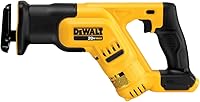
A variable-speed trigger lets you adjust the saw as you cut. The DEWALT 20V MAX reciprocating saw has a variable-speed trigger with a range of 0–3,000 strokes per minute, so you can start with more control and increase speed as needed.
Don’t assume the fastest setting is best for every metal cut. If the blade chatters, the work vibrates, or the cut starts to wander, ease off and check the setup.
The saw’s shoe helps steady the tool against the work. Keep it in contact where the cut allows, without trapping the blade or placing the shoe over the line.
How do you hold metal securely while cutting?
Clamp the metal so it can’t slide, twist, roll, or vibrate. Set the clamps where they won’t block the cut, and support the material on both sides when practical.
Pipe and round stock need special attention because they can roll under the blade. Use a stable support that prevents rotation, and make sure the section being cut off won’t drop or pinch the blade.
Keep your hands out of the blade path and don’t hold a small piece by hand while cutting. Wear eye protection, and follow the saw and blade makers’ safety guidance.
How do you cut thin sheet metal?
Support thin sheet metal close to the cut and use a blade intended for thin metal. Secure the sheet against a stable surface to limit vibration, then start slowly and keep the shoe supported if the setup allows.
A large unsupported sheet can flex and chatter. Place support near the cut without obstructing the blade, and keep the work from flapping as the blade moves.
Stop if the sheet begins to vibrate or the blade catches. Reposition the clamps or support before continuing.
How do you cut pipe or tubing?
Keep pipe or tubing from rolling, then cut with steady strokes and a metal-rated blade. Secure it on both sides of the cut and support the cutoff section so it doesn’t sag into the blade.
For a cut near a wall or another surface, check the blade’s path and the shoe position before turning on the saw. A reciprocating saw’s blade can extend beyond the material, so keep it clear of anything you don’t intend to cut.
A corded option may suit longer cutting sessions where an outlet is available. The DEWALT 12 Amp reciprocating saw has a variable-speed trigger and a four-position blade clamp.
If you’re comparing power sources, see our guides to the best cordless reciprocating saw and the best corded reciprocating saw. A lightweight reciprocating saw may also be easier to position for overhead or tight-space work.
Why does the blade bind or wander?
A blade can bind or wander when the work moves, the blade is poorly matched, or the saw is forced. Stop the saw, remove the pressure, and check that the work is secure and the blade is straight and sharp.
Don’t twist the saw to steer a cut. Keep the blade aligned with the cut line, and reposition the work or clamp if you need a different angle.
If the blade binds near the end of a cut, the cutoff may be sagging and pinching it. Support the piece before finishing the cut.
When is a reciprocating saw the right tool for metal?
A reciprocating saw suits rough cuts, demolition, and awkward access where portability matters. It’s less suited to clean, repeatable cuts that need a precise angle or smooth edge.
A jigsaw gives more control for some curved cuts in sheet material, while a reciprocating saw handles rougher work and larger pieces differently. Compare their uses in what is the difference between a jigsaw and a reciprocating saw?.
Wood-cutting technique doesn’t transfer directly to metal. The blade, support, and speed need to suit the material; see how wood grain direction affects a saw cut for a separate guide to cutting wood.
What should you choose for a metal-cutting setup?
For cutting metal with a reciprocating saw, start with the right blade and secure workholding. Choose a metal-rated blade for the material and thickness, clamp the piece so it cannot move, and use a controlled speed with the shoe supported.
Pick a cordless saw if moving between work areas matters, or a corded saw if you prefer a tool that runs from an outlet. Compare Makita reciprocating saws if you’re considering that brand, and choose based on the work you expect to do.
Frequently asked questions
What blade should I use to cut metal with a reciprocating saw?
Use a blade labeled for the metal you’re cutting, with tooth spacing suited to its thickness. Bi-metal blades offer flexibility and a durable cutting edge for varied work.
Check the blade package for material guidance, and replace a worn or damaged blade before it binds or wanders.
What speed should I use to cut metal with a reciprocating saw?
Start at a controlled, lower speed and increase it only if the blade cuts smoothly. Thin sheet metal can catch or vibrate at high speed, while thicker stock may need steady, sustained strokes.
Keep the shoe supported and avoid pushing hard, since forcing the saw can bend or break the blade.
How do you keep metal from moving while cutting?
Clamp the work securely to a stable surface, keeping the cut line clear of the clamp and supporting both sides where practical. For pipe or tubing, prevent it from rolling and support the section that could drop.
Keep your hands away from the blade path and wear eye protection.
Can a reciprocating saw cut through steel pipe?
Yes, a reciprocating saw can cut steel pipe with a blade rated for metal and a tooth pattern suited to the pipe wall. Clamp the pipe so it cannot roll, support the cutoff section, and let the shoe rest against the work.
Stop if the blade binds or the pipe shifts.