How to Use a Ryobi Reciprocating Saw
To use a Ryobi reciprocating saw, install the right blade with the battery removed, set the shoe against the work, and let the blade cut at a steady pace. Keep both hands on the saw when possible, and follow your model's manual for its blade clamp and safety steps.
On this page (7 sections)
To use a Ryobi reciprocating saw, install the right blade with the battery removed, set the shoe against the work, and let the blade cut at a steady pace. Support the material, keep your hands clear of the blade path, and follow the instructions for your exact Ryobi model.
A reciprocating saw is useful for rough cuts in wood, metal, and other materials when a circular saw or jigsaw is awkward to use. If you’re comparing tool types, see what separates a jigsaw and a reciprocating saw.
How do you install a blade in a Ryobi reciprocating saw?
Remove the battery or unplug the saw before changing a blade. Open the clamp using the method in your model’s manual, insert a compatible blade fully, and secure the clamp before restoring power.
Ryobi makes several reciprocating saw models, and their blade clamps may differ. Check the manual for the clamp’s exact steps rather than assuming a lever or collar works the same way across models.
Choose a blade made for the material and cut. A blade with more teeth per inch is often used for thinner metal, while a coarser tooth pattern can clear material faster in wood.
Check the blade maker’s guidance when choosing one.
The teeth usually face the direction of the cut, but some saws let you install blades in more than one orientation. Use an orientation that gives you a clear approach and lets the shoe rest against the work.
After locking the clamp, give the blade a gentle tug to make sure it’s held. Don’t run the saw if the blade shifts or the clamp won’t close securely.
How should you position the shoe?
Rest the shoe firmly against the material before you start cutting. The shoe steadies the saw and helps keep the blade from bouncing as it moves.
Adjust the shoe if your model allows it, following the manual. Keep enough blade exposed to make the cut, but avoid extending it farther than the work requires.
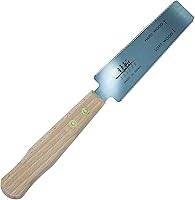
For a cut near a wall or floor, angle the tool only as much as needed to keep the blade clear of nearby surfaces. For hand-tool flush cuts, see how to use a Japanese pull saw.
Some saws accept a blade in different orientations for flush cutting; use that option only if your model’s clamp supports it.
How do you make a controlled cut?
Start with the shoe against the work and the blade lined up with your mark. Begin at a slower speed if your saw has a variable-speed trigger, then increase pressure gradually as the blade starts cutting.
Support the piece so it won’t sag or pinch the blade as the cut finishes. Keep your free hand away from the blade path and the underside of the material.
Let the saw’s reciprocating motion do the work. Pushing hard can make the blade bend, bind, or wander off the cut line.
For a straight cut, keep the blade aligned with your mark and the shoe in contact with the material. A reciprocating saw is best for rough work; use a table saw for straight rip cuts when the material and setup call for one.
What should you do when the blade binds?
Release the trigger and wait for the blade to stop before freeing it. Remove the battery or unplug the saw before adjusting the blade or workpiece.
Check whether the cut is closing on the blade or the material is unsupported. Reposition the support so the cut stays open, then restart with the shoe braced against the work.
Don’t twist the saw to force a stuck blade out. If you need to change the angle, stop the saw and reposition the work or blade first.
Which blade should you use?
Match the blade to the material and the type of cut. Use a blade intended for wood, metal, or mixed demolition work, and check its length against the depth you need to reach.
For metal stock, see cutting metal with a reciprocating saw.
A metal-cutting blade set can help when your jobs include cutting metal stock or mixed materials. The DEWALT Reciprocating Saw Blade Set for Metal includes bi-metal blades for metal and woodcutting applications.
Check the blade packaging for material guidance and fit. Don’t use a damaged or dull blade, and don’t assume a blade is right for a cut just because it fits the clamp.
What safety steps matter before cutting?
Wear eye protection, secure the work, and keep the blade path clear. Check for wiring, pipes, nails, or other hidden hazards before cutting into a wall or other concealed area.
Inspect the blade and clamp before use. Keep the cord or battery clear of the cutting area, and use both hands on the saw when the position allows.
Wear hearing protection when needed, and avoid loose clothing that could catch on the tool. Follow the safety instructions that came with your Ryobi saw.
Which Ryobi reciprocating saw should you choose?
Choose a Ryobi saw that fits your typical cuts and work space. Compare its size, speed control, shoe adjustment, and battery platform before deciding.
Our guide to the best Ryobi 18V reciprocating saw covers model options. If you’re comparing brands, see the best cordless reciprocating saws and best Makita reciprocating saws.
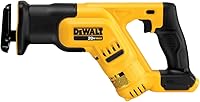
For a cordless saw with a variable-speed trigger and pivoting shoe, consider the DEWALT 20V MAX Reciprocating Saw. Its four-position blade clamp supports flush cutting and tool-free blade changes.
This is a DEWALT tool, so it won’t use Ryobi batteries. Compare battery systems and the features you need before choosing a saw.
If you prefer a corded option, the DEWALT Reciprocating Saw has a 12 amp motor, a variable-speed trigger, and a four-position blade clamp.
A corded saw needs an outlet and a cord route that stays clear of the cut. Choose it if that setup suits your work area.
How do you use a Ryobi reciprocating saw well?
Use a sharp blade for the material, keep the shoe planted, and guide the cut without forcing the saw. Remove the battery or unplug the tool before changing blades or fixing a bind.
Pick a Ryobi model that suits your space and battery system, then use its manual for clamp and shoe adjustments. For terminology, read is a reciprocating saw a Sawzall?, and compare other cutting setups in table saw vs band saw or this miter saw and table saw combo guide.
Frequently asked questions
How do you put a blade in a Ryobi reciprocating saw?
Remove the battery or unplug the saw, then open the blade clamp as your model's manual directs. Seat a compatible blade fully in the clamp, close or lock the clamp, and tug the blade gently to confirm it's secure.
Keep your hands away from the teeth while installing it.
Which way should a reciprocating saw blade face?
The teeth usually face the direction of the cut, but many reciprocating saws accept blades in more than one orientation. Choose the orientation that gives you a clear approach and keeps the shoe against the work, then check your Ryobi manual for the clamp's limits.
How do you make a straight cut with a reciprocating saw?
Mark the cut, support the work, and set the shoe firmly against the material near the blade. Start slowly, keep the blade aligned with the mark, and let it move at a steady pace without forcing it.
A reciprocating saw is suited to rough cuts, not precision finish work.
What Ryobi reciprocating saw should you choose?
Choose a Ryobi reciprocating saw based on the cuts you make, the space you have, and whether you already use Ryobi batteries. Compare the model's size, speed control, shoe adjustment, and blade clamp in our guide to the best Ryobi 18V reciprocating saws.