Miter Saw and Table Saw Combos: Choose a Setup
Separate miter and table saws usually give you more flexibility in a shared workshop; an integrated combo can save setup space when it suits your work. Choose by the cuts you make, how often you switch tools, and whether you can safely support long stock.
On this page (8 sections)
- What does a miter saw and table saw combo do?
- Which cuts favor each setup?
- Should you choose an integrated combo or separate saws?
- How do you compare a miter saw table saw combo with separate tools?
- When do separate miter and table saws make more sense?
- Which setup suits a shared workshop?
- Which portable saws can help with occasional cuts?
- How should you make the final choice?
A separate miter saw and table saw setup usually offers more flexibility for a shared workshop; an integrated combo can save setup space if its changeover and capacities fit your work. Choose by the cuts you make, how often you switch modes and how you'll support long stock.
Miter saws excel at crosscuts and angled ends. Table saws are designed to guide stock past the blade, especially for rip cuts.
For a quick overview of other common tools, see How Do the Main Types of Saws Differ?.
What does a miter saw and table saw combo do?
A miter saw and table saw combo combines two cutting functions in one machine, but the design and changeover process vary by model. The name alone doesn't tell you its capacity, footprint or how quickly you can switch between modes.
Some combination machines convert from one function to the other; others may use a shared base or work surface. Read the manual and confirm how the model handles guarding, fences, blade changes and workpiece support in each mode.
Treat “combo” as a design category, not a guarantee that the machine matches two full-size tools. Compare the actual cut capacities and setup requirements for the projects you do most.
If you're unfamiliar with each tool's role, our guide to how a miter saw differs from a table saw explains the key distinction. For angled crosscuts and bevels, see what a compound miter saw does.
Which cuts favor each setup?
Choose a miter saw for repeatable crosscuts and angled ends, and a table saw for ripping stock along its length. A combo makes sense when you need both functions and can work within its mode-specific limits.
| Your common task | Tool or setup to consider | What to check |
|---|---|---|
| Cutting boards to length | Miter saw | Crosscut capacity and support for long boards |
| Making repeated angled ends | Miter saw | Miter range, stops and a stable work surface |
| Ripping a board lengthwise | Table saw | Fence, rip capacity and infeed and outfeed room |
| Switching between crosscuts and rips | Combo or separate tools | Changeover time and how each mode is set up |
| Cutting sheet goods | Table saw or a suitable track saw | Safe handling, support and cut size |
Cut quality depends on setup, blade condition and safe workholding, not just the saw category. A combo that takes too long to convert can interrupt a workflow that would be easier with separate tools.
Should you choose an integrated combo or separate saws?
Choose an integrated combo when its footprint and changeover suit your routine; choose separate tools when you need each saw ready for frequent use. In either case, plan for the room required to support the workpiece.
| Consideration | Integrated combo | Separate miter and table saws |
|---|---|---|
| Floor and bench space | One machine may reduce the number of tool bases | Two machines need more storage or dedicated stations |
| Switching tasks | Mode changes may interrupt work | Each saw can stay set up for its own task |
| Capacity | Depends on the machine in each mode | You can compare each tool's capacity separately |
| Setup | One base may simplify storage | Placement and support can be tailored to each saw |
| Budget | Compare the complete machine and accessories | Compare both saws plus stands, blades and support |
A single base doesn't mean a small working footprint. Long boards need space in front of, behind or beside the blade, so include stands or extension surfaces in your shop plan.
Separate tools may be easier to organize if one stays mounted and the other folds away. If you're comparing a bench-mounted table saw with other options, read Is a Table Saw a Bench Saw?.
How do you compare a miter saw table saw combo with separate tools?
Compare a miter saw table saw combo against separate tools by writing down your common cuts, workpiece sizes and setup constraints. Then check whether each candidate can handle those needs in the mode you will use.
Which capacity and changeover details matter?
Check crosscut capacity, rip capacity and the maximum stock dimensions the machine supports in each mode. Don't assume one mode's capacity applies to the other.
Find out how the machine changes modes and what adjustments or accessory moves are required. A frequent switch between crosscutting and ripping can make changeover time a deciding factor.
How will you support the stock?
Long workpieces need stable support so they don't tip, bind or pull away from the cut line. Plan for the actual length and weight of your materials, not just the machine's footprint.
Check whether the machine accepts compatible stands or extensions, and where those supports can sit in your workspace. Make sure you can keep the workpiece controlled through the cut.
What safety and dust features are included?
Compare guards, riving or splitting controls where applicable, switches, fences and the instructions for each operating mode. Follow the manual for setup and operation, and use suitable eye and hearing protection.
Dust collection varies by design. Confirm where extraction connects in each mode and whether your existing collector can reach it without obstructing the work.
When do separate miter and table saws make more sense?
Separate saws are often the better fit when you use both tools frequently or need each one set up for a different task. They can also make it easier to choose the capacity and accessories you need for each saw.
A dedicated miter saw station can support repeated crosscuts, while a table saw can remain set up for ripping. This arrangement takes more room, so measure the machine bases and the work areas around them before deciding.
Consider whether you can store one saw and bring it out when needed. A folding stand or bench space may make separate tools practical even in a shared workshop.
For a different way to guide long cuts, compare track saw vs miter saw. If you're deciding between a hand guided saw and a miter saw for crosscuts, see circular saw vs miter saw.
Which setup suits a shared workshop?
A shared workshop needs a setup that can be stored safely and brought into a usable cutting position without blocking other work. Choose the machine or machines that fit both the storage area and the clear space needed during a cut.
Measure the full operating zone, including where stock enters and exits. Mark the saw base, support stands and the operator's standing room on the floor before buying.
If the machines share a bench, check how each tool will be secured and whether the bench height supports comfortable, controlled work. A tool that fits on the bench but leaves no room for stock may not suit your projects.
A table saw and router setup may also compete for space. Our table saw with router combo guide compares that workshop choice.
Which portable saws can help with occasional cuts?
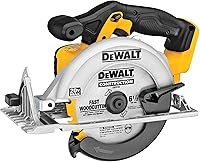
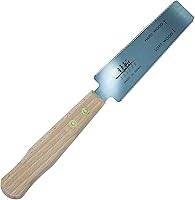
Portable circular saws can handle some straight cuts when you guide and support the work correctly, but they don't replace the controlled setups of a miter or table saw. A folding hand saw can help with small outdoor or trim tasks, not powered shop cutting.
These options serve different tasks. Use the circular saws for guided cuts in wood or sheet goods, and reserve the folding saw for suitable hand sawing outdoors.
How should you make the final choice?
Choose separate saws if you need both functions often, want each tool ready to use and can spare the operating space. Choose an integrated combo if its mode capacities, changeover and support needs match your work in a shared shop.
Before you decide, list your three most common cuts, measure the stock and mark the full support area. Then compare the actual machine specifications and manual instructions for the models you're considering.
If your decision hinges on crosscuts versus rips, revisit how a miter saw differs from a table saw. For other alternatives, compare a jigsaw vs circular saw for curved or straight cuts.
A miter saw and table saw combo is a space choice as much as a tool choice. Pick it when the machine fits your cuts and work area; pick separate tools when independent setups save time and give you the capacity you need.
Frequently asked questions
Can one saw replace both a miter saw and a table saw?
Usually, one saw cannot replace both well because the tools handle work differently. A miter saw is built for crosscuts and angled ends, while a table saw guides stock past a blade for ripping and repeatable cuts.
A combination machine may cover both, but check its changeover, capacity and support needs.
Is a miter saw table saw combo good for a small shop?
A miter saw table saw combo can suit a small shop if the machine's footprint and changeover work with your projects. Compare the space it takes while cutting with the room needed for infeed and outfeed support.
Separate tools may still fit better if they can be stored and brought out as needed.
Do I need a miter saw if I own a table saw?
You may not need a miter saw if you make only occasional crosscuts and your table saw setup supports them safely. A miter saw can make repeated crosscuts and angled ends easier to set up.
Choose based on your typical stock length, cut angles and available support.
What should I check before buying a combination saw?
Check how the machine changes between modes, what cutting capacity it offers in each mode, and whether you can support the workpiece on both sides. Also confirm the footprint, storage needs, blade compatibility, safety features and dust collection.
Compare those details with the separate tools you would otherwise buy.