How to Use a Dovetail Router Bit
Use a dovetail router bit with a secure setup, shallow trial cuts, and careful depth adjustments. Match the bit and collet, clamp the work firmly, and test the joint on scrap before routing the final pieces.
On this page (10 sections)
- What does a dovetail router bit do?
- What should you check before using the bit?
- How do you set the dovetail bit height?
- How do you make a controlled trial joint?
- How should you route the joint?
- Which router bit set suits practice and general woodwork?
- How do you adjust a joint that does not fit?
- When is a 1/2 inch shank dovetail bit useful?
- How do you care for a dovetail router bit?
- What is the safest way to learn this cut?
Use a dovetail router bit by setting the bit height carefully, clamping the work, and making controlled trial cuts before routing the final joint. The goal is a snug fit that slides together without forcing the wood or leaving a loose gap.
Dovetail cutters remove wood at an angle, so small changes in depth can change the fit quickly. Start with scrap from the same material as the project, and adjust one setting at a time.
What does a dovetail router bit do?
A dovetail router bit cuts a tapered groove or pin that can join two pieces of wood. The angled sides resist separation, while the bottom and shoulder surfaces control how far the joint closes.
The bit's angle, cutting diameter, depth, and shank size all matter. If you're choosing a router for this work, our guide to wood routers for woodworking explains the differences between common router types.
A dovetail bit can be used for drawers, boxes, casework, and sliding joints. The best setup depends on whether you're cutting a visible dovetail, a hidden joint, or a matching socket for a jig.
What should you check before using the bit?
Check the bit, collet, router base, workpiece, and planned cut before turning on the router. The shank must match the collet, and the bit must be seated securely without bottoming out.
Inspect the carbide edges for chips and remove resin or dust from the shank. Don't use a damaged bit, and don't force a shank into a collet that isn't the right size.
Read how to set a router bit for the basic installation steps. Tighten the collet with the correct method for your router, then check that the bit spins freely without touching the base or guide.
Wear eye protection and keep loose clothing away from the cutter. Clamp the workpiece so it cannot shift as the bit enters or leaves the cut.
Which bits can help with a dovetail setup?
A set with several profiles can help when you need to make both the dovetail and related cuts in one project. The Hiltex Router Bit Set contains 15 router bits with universal 1/4 inch shanks, including a 1/2 inch dovetail bit, straight bits, a mortising bit, and a flush trim bit.
Its bits have YG8 tungsten carbide tips and hardened alloy steel bodies. Select bits include ball bearing guides, while the dovetail bit gives you a ready profile for basic joint practice.
This set suits a 1/4 inch collet and gives beginners several wood routing profiles to learn with. It won't replace a larger shank option when your router accepts only 1/2 inch bits.
How do you set the dovetail bit height?
Set the bit height so the cutter removes only the amount of wood needed for the joint, then lock the router before making the test cut. Use the smallest useful depth first because raising the bit or lowering the workpiece is easier than repairing an oversized cut.
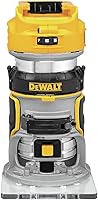
Place the router on a stable surface before measuring. If you use a handheld router, keep the base flat and make sure the workpiece extends far enough to support the base throughout the cut.
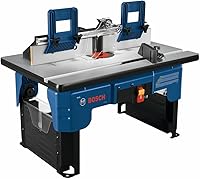
For a router table, set the bit height with the router switched off. A table can make repeated cuts consistent, but it does not remove the need for a secure fence and stable stock.
Use a straight reference edge on the workpiece. Any twist, bow, or movement can change the depth across the joint and make a good bit appear poorly adjusted.
How do you make a controlled trial joint?
Make a trial joint from two scraps that match the final stock in thickness and species. Cut the test pieces in the same orientation as the finished parts, then bring them together slowly to judge the fit.
Begin with a shallow pass. Remove a little more material only after checking whether the joint is too tight, too loose, too deep, or misaligned.
Mark the bit height or fence position after each useful test. Changing both at once makes it hard to know which adjustment improved the joint.
A snug joint should close with firm hand pressure. Don't hammer pieces together, and don't keep cutting if the joint already has a visible gap.
How should you route the joint?
Route against the bit's rotation with a steady feed rate and a flat router base. Keep the router moving through the cut instead of pausing in one place, which can leave a deeper spot or burn the wood.
Support the workpiece before the bit reaches it and after the bit exits. Use a guide, fence, or template that keeps the cut in the planned location.
If the cut is deep, use multiple passes. For chip evacuation on other routing jobs, see upcut spiral router bits.
A shallow pass reduces the load on the cutter and gives you more chances to check the joint before removing too much material.
On a router table, keep the stock pressed against the fence and use push blocks or other safe handling tools suited to the setup. Read our guide to best router table bits when you need to compare profiles for table work.
Which router bit set suits practice and general woodwork?
A general set suits you if you want to practice dovetails while also handling grooves, edges, and small joinery tasks. The KOWOOD Router Bits Set of 15 Pieces has 1/4 inch shanks, tungsten carbide material, 2 flutes, and a wooden case.
The set is intended for wood, MDF, particle board, and plywood. Its 1/4 inch shanks fit most handheld or table routers with a matching collet, but it isn't for ferrous metal or other non-wood materials.
Choose it when a portable wooden case and a broad set of profiles matter. Confirm the exact dovetail profile you need before cutting a final joint, since a general set may not match every jig or project plan.
Our guide to best router bit sets can help if you're comparing a general collection with a smaller set of dedicated cutters.
How do you adjust a joint that does not fit?
Adjust the bit height or guide position in small steps, then repeat the test cut. A tight joint usually needs a slightly different cutting depth, while a loose joint may need a fresh test piece rather than more force.
If the pins and tails do not line up, check the reference edge and the direction of the cut. A reversed workpiece or shifted guide can create a clean-looking cut in the wrong place.
If the joint closes at one end but not the other, check for movement, uneven stock, or a router base that was not supported fully. Plane or sand the stock flat before changing the bit setting.
Don't sand the angled faces aggressively to fix a large mismatch. That can change the geometry and leave a joint that looks closed but has weak contact.
When is a 1/2 inch shank dovetail bit useful?
A 1/2 inch shank bit is useful when your router and collet accept that shank and your project needs a larger, dedicated cutter. The larger shank size does not automatically make a joint more accurate, so setup and trial cuts still control the result.
Compare the options in our guide to best dovetail router bits 1/2 shank. Match the cutter angle and size to your jig, stock thickness, and joint design before ordering.
A mixed set can still be useful for practice. The BOSCH RBS015MBS 15-Piece Carbide-Tipped Wood Router Bits Set includes a 12° dovetail bit, along with chamfer, V-groove, rabbeting, flush trim, cove, roundover, and straight bits.
Bosch describes the bits as having micrograin carbide tips, hardened and tempered steel shanks, and an anti-friction coating. The set includes a plastic storage case and is aimed at varied woodworking cuts.
Choose it when the 12° dovetail profile matches your joint plan and you want several related profiles in the same set. Check the shank size required by your router before buying, because the supplied product data does not identify a 1/4 inch or 1/2 inch shank.
How do you care for a dovetail router bit?
Clean resin and dust from the cutter after use, then store the bit so its carbide edges cannot strike other tools. Keep the shank clean and dry, and replace a bit that has chipped carbide or visible damage.
Use the correct speed for the bit and router according to the router and cutter instructions. To compare spiral cutter directions, see upcut vs downcut spiral bits.
Avoid forcing the feed rate, and stop if the router vibrates, the bit sounds different, or the workpiece moves.
A router table can make repeated dovetail work easier when the fence and stock support are stable. If you are building a table setup, compare best featherboard for router table and best benchtop router table for ways to support controlled feeding.
What is the safest way to learn this cut?
The safest learning path is to practice on scrap, use shallow passes, and make one adjustment at a time. Secure the work, keep your hands away from the cutter, and wait for the bit to stop before clearing dust or changing the setup.
Pick the Hiltex Router Bit Set if you need a 1/4 inch shank collection with a clearly specified 1/2 inch dovetail bit. Pick the KOWOOD set if you want a beginner-focused 15-piece 1/4 inch collection in a wooden case.
Pick the BOSCH set if its 12° dovetail profile suits your joint and you also want profiles for softwood, hardwood, and wood composites. For edge work after the joint is complete, see how to use a roundover router bit.
The key rule for how to use a dovetail router bit is simple: set the cutter low, test on matching scrap, and adjust in small steps until the joint closes with firm hand pressure.
Frequently asked questions
What size dovetail router bit should you use?
Choose the dovetail angle and cutting size that match your joint plan, then confirm that the router bit fits your collet. A 1/4 inch shank suits routers with a matching 1/4 inch collet, while a 1/2 inch shank requires a compatible 1/2 inch collet.
Should you use a dovetail router bit in a router table?
Yes, a router table can make repeated dovetail cuts easier to control because the workpiece stays on the table. Secure the fence, use featherboards where appropriate, keep both hands clear of the cutter, and make shallow test cuts before routing the final joint.
Why is a dovetail joint too tight?
A dovetail joint is usually too tight when the cut is too deep, the angle does not match, or the pieces are not aligned. Make a small adjustment to the bit height or guide position, then test again on scrap before changing the finished work.
Which way should you move a handheld router?
Move a handheld router against the bit's rotation, which is usually from left to right when the router is between you and the workpiece. Keep the base flat, feed steadily, and take more than one pass when the cut is deep.