How to Use a Roundover Router Bit
Set the bit height for a shallow first pass, secure the workpiece, and move the router steadily so the bearing follows the edge. Make test cuts before routing the finished board.
On this page (10 sections)
- What does a roundover router bit do?
- How do you install a roundover router bit?
- How do you set the cutting depth?
- How should you route the edge?
- How do you route end grain without tear-out?
- How do you avoid burns and uneven edges?
- Can a roundover bit cut both sides of a board?
- Should you use a router table or handheld router?
- What safety checks should you make before routing?
- What is the best way to use a roundover router bit?
Here's how to use a roundover router bit: install it securely, set a shallow cutting depth, clamp the board, and make steady passes with the bearing touching the edge. Test the profile on scrap wood before routing the finished workpiece.
A roundover bit softens a sharp corner by cutting a curved edge. The final shape depends on the bit's radius, the bit height, the board thickness, and how evenly you guide the router.
What does a roundover router bit do?
A roundover router bit cuts a quarter-round curve along a wood edge. Its bearing rides against the edge while the carbide cutters remove material above and below the bearing.
A 1/4 in roundover creates a smaller curve than a 3/8 in roundover. Match the radius to the board thickness so the profile does not cut through the edge or leave a flat strip where you want a full curve.
Roundover bits are useful for table edges, shelves, trim, boxes, and hand-held parts. For a broader overview of router types, see our guide to wood routers for woodworking.
How do you install a roundover router bit?
Unplug the router, clean the collet, and insert the shank far enough for secure grip without bottoming it out. For the full setup sequence, see how to set a router bit.
Tighten the collet with the correct wrench, then check that the bit spins freely before starting the motor.
Keep the cutting edges clear of the collet. Do not grip the bit by its sharp edges, and do not use a damaged bit with chipped carbide or a bent shank.
A 1/4 in shank fits routers with a matching 1/4 in collet. If you need a set built around this size, compare best roundover router bit 1/4 shank options before choosing a profile.
Which roundover router bit should you use?
Choose the bit radius based on the edge you want and the thickness of the board. A small radius works for a light edge break, while a larger radius gives a softer hand feel and a stronger visual curve.
The Hiltex Router Bit Set includes 15 router bits with 1/4 in shanks, including a 3/8 in roundover bit. Its tungsten carbide tips, hardened alloy steel bodies, and labeled case suit readers who want several common profiles in one organized set.
The set also includes straight, core box, cove, V-groove, mortising, dovetail, Roman ogee, chamfer, panel pilot, and flush trim profiles. Select bits have ball bearing guides, so confirm the individual bit's bearing before routing.
If you only need one radius, a full set may leave several bits unused. If you want to compare more profile choices, see best roundover router bits.
How do you set the cutting depth?
Set the bearing level with the board edge and adjust the bit height until the cutter removes only the intended corner. The first pass should be light, especially on end grain or a board with a delicate veneer.
Place the router on the workpiece before switching it on if the base design allows. Keep the bit clear of the board while the motor reaches full speed, then bring the cutter into the edge with both hands controlling the base.
Make a test cut on scrap from the same material. Check the curve from the top and side, then adjust the height in small steps rather than trying to reach the final shape in one heavy pass.
For more profiles and sizes in one case, the best router bit sets guide can help you compare complete collections.
How should you route the edge?
Keep the router base flat, keep the bearing against the edge, and move at a steady pace. Let the cutter remove the wood instead of forcing the tool through the board.
Start at one end and maintain firm pressure toward the edge being guided. Keep the cord or battery clear of the bit, and do not lift the router until the cutter has left the workpiece.
Work in several light passes when the bit removes a lot of material. A shallow pass reduces strain on the motor and gives you more control over the final surface.
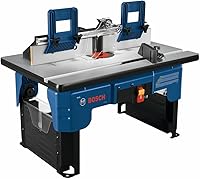
A handheld router works well for loose boards, while a router table can make repeated edge work easier. If you use a table, review best router table bits and check the table's fence, insert, and bit clearance before starting.
How do you route end grain without tear-out?
Route end grain before long-grain edges when possible, then make the long-grain passes afterward. This can remove small chips left at the end of the board when the long-grain cut reaches them.
Support the board fully and clamp it close to the work area. On narrow pieces, use a larger support board or a stable router-table setup so the base does not tip.
Plywood and particle board need extra care because their layers or loose particles can chip. For a closer look at cut direction, compare upcut vs downcut spiral bits.
Use a sharp carbide bit, take light passes, and test the material before routing the finished piece.
The KOWOOD Router Bits Set of 15 Pieces uses 1/4 in shanks and is intended for wood, MDF, particle board, and plywood. Its hardened steel bodies, tungsten carbide material, anti-kickback design, and wooden case suit beginners building a general woodwork set.
The set is not for ferrous metal or other non-wood materials. Its 1/4 in shanks are designed for matching router collets, so check your router before ordering.
How do you avoid burns and uneven edges?
Use a sharp bit, keep the router moving, and remove less material per pass. Staying in one spot can create dark burn marks, while changing pressure can make the curve vary along the board.
Brush away dust when it hides the bearing or edge. For other routing jobs where chip removal matters, see upcut spiral router bits.
Stop the router and unplug it before clearing packed material near the cutter.
If the cut feels rough, inspect the bit for resin, damage, or buildup. Clean and store bits according to the bit maker's guidance, and keep carbide edges from striking one another in a drawer.
A router table may help with repeated pieces because the workpiece moves across a fixed bit. A lift can make height changes easier in some setups, so compare best router table lift options if table routing is part of your shop plan.
Can a roundover bit cut both sides of a board?
Yes, you can round both faces of an edge, but the bit height must match the intended profile on each side. Make the first pass on one face, inspect the curve, then turn the board or adjust the setup for the other face.
Do not assume the same height works for every board. Thickness changes, bearing differences, and an uneven edge can leave a ridge between the two cuts.
A full roundover on a thin board may remove too much material. For a small board, use a smaller radius or ease the corner with a lighter pass.
The BOSCH RBS015MBS 15-Piece Carbide-Tipped Wood Router Bits set includes 15 carbide-tipped bits for soft wood, hard wood, and wood composites. It includes two roundover bits, one 1/4 in x 1/2 in and one 1/8 in x 3/8 in.
The Bosch set also includes chamfer, dovetail, V-groove, slotting, rabbeting, straight trim, flush trim, Roman ogee, cove, and straight bits. Its plastic storage case and anti-friction coating help organize the set and reduce residue buildup during use.
Should you use a router table or handheld router?
Use a handheld router for occasional edge work and a router table for repeatable pieces or small parts. Both setups need a secure workpiece, correct bit height, and a clear path for your hands.
A handheld router lets you bring the tool to a large board. Keep the base fully supported and use clamps that do not interfere with the router's travel.
A router table keeps the cutter in one place while you move the board. Use the fence and guard as intended, keep your hands away from the bit, and use push blocks when the setup calls for them.
If you are comparing combined workshop setups, our guide to a table saw with router combo covers the space and workflow trade-offs.
What safety checks should you make before routing?
Wear eye protection, secure the board, check the bit, and unplug the router before any adjustment. Keep loose clothing, hair, cords, and fingers away from the rotating cutter.
Confirm that the bit is tight, the base is locked, and the bearing turns freely. Remove the wrench and other tools from the work area before powering the router.
Use hearing protection for extended routing and keep bystanders away from the cutting path. Never reach over a running bit to support the workpiece.
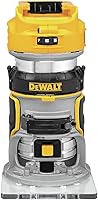
For battery routing, review how to use a DeWalt cordless router for setup and handling ideas that apply to cordless trim-router work.
What is the best way to use a roundover router bit?
Use a test cut to set the height, make light passes, and keep the bearing in contact with the edge. Choose the Hiltex set if you want a broad 1/4 in shank collection with a listed 3/8 in roundover bit.
Choose KOWOOD if your beginner projects include wood, MDF, particle board, or plywood and you want 15 bits in a wooden case. Choose Bosch if you want two stated roundover sizes in a carbide-tipped set for wood and wood composites.
Measure the board thickness, confirm the router collet size, and check the exact bit profile before ordering. A careful setup matters more than rushing to finish the edge.
Frequently asked questions
What does a roundover router bit do?
A roundover router bit cuts a quarter-round profile along a wood edge. The bearing guides the bit against the edge while the cutting diameter determines the radius.
A smaller radius leaves a subtle eased edge, while a larger radius creates a more noticeable rounded profile.
How deep should you set a roundover router bit?
Set the bit so the bearing touches the workpiece edge and the cutting profile removes only the amount needed for the chosen radius. Start with a shallow pass on scrap wood, then raise or lower the bit in small steps until the profile meets the edge without cutting below the board.
Which direction should you move a router with a roundover bit?
For handheld routing, move the router from left to right when the bit is on the outside edge of the workpiece, keeping the router against the near side of the cut. This is the usual climb direction for a controlled cut.
Move slowly and keep both hands on the router.
Can you use a roundover bit on plywood?
Yes, but plywood edges can splinter, especially across end grain or on the outer veneer. Use a sharp bit, support the workpiece, take light passes, and test the cut first.
A small roundover may reduce splintering, but it won't hide damaged or uneven layers.