Wood Routers: The Complete Buying Guide
The best wood router for woodworking depends on your cuts: choose a fixed base for controlled edge work, a plunge base for stopped cuts, or a compact trim router for light shaping. Match the collet, speed range, base and dust control to your projects.
On this page (15 sections)
- Which wood router type fits your woodworking?
- How much power do wood routers for woodworking need?
- Fixed base vs plunge router: which one should you buy?
- What router base should you use?
- Which collet size is right for woodworking?
- How do you choose router bits?
- How should you set router speed?
- How do you make clean router cuts?
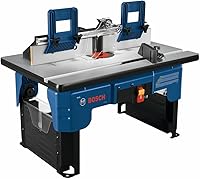
- Should you use a router table?
- How should you manage router dust?
- Which products fit different woodworking needs?
- What safety steps matter with a wood router?
- How do you care for a woodworking router?
- Explore routers and bits by topic
- Which wood router should you choose?
The best wood router for woodworking depends on your cuts: choose a fixed base for controlled edge work, a plunge base for stopped cuts, or a compact trim router for light shaping. Match the collet, speed range, base and dust control to your projects.
A router spins a bit at high speed to cut profiles, grooves, rabbets, dados, joinery and edge details. The right setup gives you control over depth and direction, while the wrong bit, speed or feed direction can damage the workpiece.
Ask what you make most often before you choose a body style. A woodworker who shapes table edges each week needs different handling from someone who mainly cuts stopped dados inside a panel.
This guide explains router types, motor power, bases, collets, bits, tables, dust collection and safe setup. We also compared 4 products that cover full-size routing, compact trimming and shop mobility.
The DEWALT Router covers full-size fixed and plunge work with a 12-amp motor and both 1/4-inch and 1/2-inch collets. The AVID POWER 6.5 Amp 1.25 HP Compact suits lighter fixed-base routing from 10,000 to 32,000 RPM, while the WEN RT1460 6-Amp Handheld 1/4-Inch Variable Speed is aimed at light trimming with a 1/4-inch collet.
The WEN Mobile Base handles layout, not cutting, with a 500 lb capacity for a router table or similar stationary machine. Reading through the full guide will help you match each tool to your bits, depth, material and workspace.
Which wood router type fits your woodworking?
Fixed base routers suit repeatable edge work, plunge routers suit stopped cuts, and trim routers suit light shaping. A combination kit gives you more range when one tool must handle several types of work.
Fixed base routers
A fixed base router holds the motor at a selected height. That makes it useful for edge profiles, grooves, rabbets and repeated passes where you want the same depth from one workpiece to the next.
Fixed bases also work well with edge guides and router tables. Compare the best fixed base routers if most of your cuts start at an edge and run along a straight path.
A fixed base does not drop into the workpiece during a cut. For a stopped groove or an opening that begins away from the edge, you need another method or a plunge base.
Plunge routers
A plunge router lets you lower the spinning bit into the wood while the base remains on the surface. This makes it useful for stopped dados, mortises, template work and interior openings.
Depth stops help you make several controlled passes. Begin with a shallow cut, then increase depth instead of trying to remove all the material at once.
The best plunge routers for woodworking should offer smooth depth control, a stable base and a speed range suited to the bits you plan to use.
Trim routers
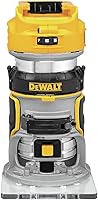
Trim routers use a smaller body and usually a 1/4-inch collet. They suit flush trimming, small roundovers, light chamfers and edge work where a full-size router would feel bulky.
Their smaller size improves visibility and handling, but it also limits the size and depth of cuts you should expect. Review the best trim routers for woodworking when your projects focus on light edge shaping.
Combination routers
A fixed and plunge base kit gives you one motor for both types of work. The main trade-off is weight and setup time compared with a small dedicated trim router.
The DEWALT Router includes a fixed base, plunge base, 1/4-inch and 1/2-inch collets, a 12-amp motor and variable speed from 8,000 to 24,000 RPM. Its 2-1/4 HP maximum motor rating suits demanding hardwood routing, while the 10.1 lb weight makes it a substantial tool to guide by hand.
The AVID POWER 6.5 Amp 1.25 HP Compact is a fixed base router with 6 variable speeds from 10,000 to 32,000 RPM. It includes 1/4-inch and 3/8-inch collets, 5 router bits, an edge guide, a roller guide, a dust hood and wrenches.
How much power do wood routers for woodworking need?
Choose power by bit size, cutting depth, wood hardness and how long each pass will last. More motor power helps with demanding cuts, but a heavier router can be harder to control on small edges.
A compact router can handle light profiles and trimming. It is easier to move around a small workpiece, but you should make shallow passes and avoid treating it like a large production router.
A higher-power router is a better fit for large bits, hardwood and repeated cuts. You still need the correct speed and feed rate because motor power cannot prevent burning or tear-out by itself.
The DEWALT Router provides a 12-amp electronic variable speed motor with a 2-1/4 HP maximum motor rating. Its constant-speed feedback is designed to hold speed under load from 8,000 to 24,000 RPM.
The AVID POWER router provides 6.5 amps and 1.25 HP, with a maximum speed of 32,000 RPM. Its 800W motor and variable-speed range fit trimming and smaller woodworking cuts.
The WEN RT1460 provides a 6-amp motor with speeds from 12,000 to 30,000 RPM. Its 0.45 HP rating and 1/4-inch collet place it in the compact trim-router category.
Fixed base vs plunge router: which one should you buy?
Choose a fixed base for edge profiles and repeatable depth, or choose a plunge base for interior starts and stopped cuts. If you do both often, a combination kit gives you the broadest coverage.
A fixed base is simpler when the bit can enter from the edge. Set the depth, lock the motor and guide the base along the workpiece or fence.
A plunge base is more flexible for inlays, mortises and stopped grooves. Its depth stop lets you lower the bit in stages, but the larger base and motor can take more practice.
Read how to use a fixed base router for edge-routing setup, and compare fixed base vs trim router when deciding between a full-size fixed tool and a compact model.
What router base should you use?
Choose a base that gives you stable support, clear bit visibility and the depth range your work requires. The base should also match your guides, templates, table or edge fence.
A clear sub-base helps you see layout lines and the bit. A larger base can feel steadier on a broad panel, while a compact base can be easier around tight curves.
The DEWALT Router uses a clear LEXAN sub-base that accepts standard template guide bushings. Its fixed and plunge bases use a tool-free steel motor cam lock, and the plunge base has through-the-column dust collection.
The AVID POWER compact router has dual LED lights and an aluminum body and base. Its rack-and-pinion depth adjustment is intended to help set cutting depth, and its quick-lock system supports depth or base changes.
The WEN RT1460 has an adjustable straight base with 1-5/8 in of travel, a 1 in scale marked in 1/16 in steps and a transparent base plate. Its guide fence supports straight cuts, while its trim guide follows curves and irregular edges.
Use our wood router base guide when you need to match a base to a router, template or planned cut.
Which collet size is right for woodworking?
Choose a 1/4-inch collet for many compact bits and light routing, or choose a 1/2-inch collet when your router and bit set support larger shanks. The collet must match the bit shank exactly.
A larger shank can suit larger bits and heavier cuts, but it does not remove the need for shallow passes. A 1/4-inch setup is often easier to pair with a compact router and common trim bits.
The DEWALT Router includes both 1/4-inch and 1/2-inch collets. The AVID POWER router includes 1/4-inch and 3/8-inch collets, while the WEN RT1460 uses a 1/4-inch collet.
See the best wood routers with 1/2 inch collets if your projects include larger-shank bits. For compact edge work, the WEN RT1460's 1/4-inch collet supports the majority of 1/4-inch-shank router bits.
How do you choose router bits?
Choose bits by the cut you need, then match the shank to the collet and the bit diameter to the router's safe speed range. Sharp, clean bits reduce the force needed to move the tool.
A straight bit cuts grooves, dados and recesses. A roundover bit softens an edge, a chamfer bit cuts an angled profile, and a flush-trim bit copies one edge from another surface.
The AVID POWER router includes 5 router bits described as straight, chamfer, roundover and similar profiles. That makes it a useful starting kit for a buyer who wants a fixed router and basic bits together.
Compare the best router bit sets when you need several profiles. For template and laminate work, the best flush trim router bits can help you copy an existing edge.
Spiral bits use a cutting edge that travels around the bit. The best spiral router bits can suit cleaner chip removal in some routing tasks, but bit direction and feed speed still matter.
Use a roundover bit for a softer edge, following the setup in how to use a roundover router bit. For tapered joinery, read how to use a dovetail router bit.
How should you set router speed?
Set speed according to the bit diameter, material and cut, then feed the router at a steady pace. Larger bits generally need more care with speed because their cutting edge travels farther on each rotation.
A router with variable speed gives you more control over different bit sizes and materials. Lower settings can help reduce burning with some hardwood work, while higher settings can suit smaller bits when the bit and router allow it.
The DEWALT Router adjusts from 8,000 to 24,000 RPM with electronic feedback and soft start. The AVID POWER router provides 10,000 to 32,000 RPM across 6 variable speeds, and the WEN RT1460 provides 12,000 to 30,000 RPM.
Never assume the highest setting is best. Follow the bit maker's guidance, keep the cut shallow and watch for burning, vibration, chatter or a change in motor sound.
How do you make clean router cuts?
Make clean cuts by securing the workpiece, setting the bit correctly, taking shallow passes and moving the router in the correct direction. A straight guide or template can improve repeatability.
Clamp the board so it cannot move during the cut. Mark the start and stop points, check the bit height and make sure the base can sit flat before turning on the router.
Take more than one pass for a deep groove or profile. A shallow first pass reduces the load on the motor and gives you a chance to check the result before removing more material.
For measurements, learn how to read centimeters on a tape measure if your plans or material use metric dimensions. Convert carefully before setting the fence or depth scale.
Feed a handheld router against the bit's rotation when making a normal edge cut. This gives you control over the tool instead of letting the bit pull itself along the workpiece.
Read how to use a router woodworking for a complete setup sequence before making your first cut.
Should you use a router table?
Use a router table when you need repeatable edge profiles, long stock support or both hands available to guide the workpiece. A handheld router is more flexible for panels, templates and cuts that cannot reach a table.
A table needs a stable top, a fence, suitable bit height adjustment and a safe switch arrangement. The router and table must be compatible before you mount the motor.
The best router tables for woodworking can suit a dedicated shop setup. A smaller best benchtop router table may fit a limited workspace, but confirm its working area and mounting design.
The router motor matters because the table adds setup weight and may be used for longer edge passes. Compare how to choose a router motor for a router table before building a permanent station.
A lift can make bit-height changes easier from above the table. See the best router table lifts and check that the lift matches the motor or base you plan to use.
A fence keeps the workpiece on a controlled path. The best router table fences can help with alignment, dust collection and repeatable width settings.
How should you manage router dust?
Use a dust hood, shop vacuum or dust collector when the router and cut allow it. Dust control improves visibility and reduces cleanup, but it does not replace eye, hearing and breathing protection.
The DEWALT Router's plunge base has integral through-the-column dust collection, and its kit includes a vacuum adapter. The AVID POWER router includes a dust hood that connects to a standard shop vac.
The WEN Mobile Base does not cut or collect dust, but it can make a stationary router table or other machine easier to move. Its 500 lb capacity, 2 fixed casters, 2 swivel casters and foot-locking brakes suit a shop that changes layout.
It fits square bases from 11.8 by 11.8 in up to 35.4 by 35.4 in, and rectangular bases up to 51.2 by 19.7 in. Measure your machine base before choosing it, then lock the brakes before routing.
For a full dust setup, use the dust collector buying guide and plan the hose path so it cannot catch on the workpiece or router cord.
Which products fit different woodworking needs?
The DEWALT Router suits demanding full-size work, the AVID POWER router suits compact fixed-base routing, and the WEN RT1460 suits light trimming with a 1/4-inch collet. The WEN Mobile Base supports shop layout rather than cutting.
DEWALT Router
The DEWALT Router is the strongest match here for a woodworker who wants one tool for fixed and plunge work. Its 12-amp motor, 2-1/4 HP maximum motor rating, soft start and 8,000 to 24,000 RPM range cover a broad set of woodworking tasks.
Its 1/4-inch and 1/2-inch collets support more bit choices than the compact routers here. Micro-fine depth adjustment moves in 1/64-inch increments, which helps when you need small changes to a profile or joint.
The trade-off is its 10.1 lb weight. It offers more base and collet range, but a smaller router may feel easier for quick edge work.
AVID POWER 6.5 Amp 1.25 HP Compact
The AVID POWER router suits a buyer who wants a fixed base, 6 variable speeds and several basic accessories in one package. Its 6.5-amp, 1.25 HP motor is aimed at trimming and routing jobs rather than the largest heavy cuts.
Its 10,000 to 32,000 RPM range gives you speed choices for different materials and bit sizes. The included edge guide supports straight cuts, while the roller guide follows curves and irregular edges.
The trade-off is that it is fixed base only. It includes 1/4-inch and 3/8-inch collets, but it does not offer the 1/2-inch option included with the DEWALT Router.
WEN RT1460 6-Amp Handheld 1/4-Inch Variable Speed
The WEN RT1460 suits light edge work, small profiles and laminate trimming. Its 6-amp motor runs from 12,000 to 30,000 RPM, and soft start helps the motor begin gradually.
The adjustable straight base has 1-5/8 in of travel and a transparent base plate. Its guide fence supports straight cuts, while the trim guide helps maintain an equal cutting distance along irregular edges.
The trade-off is the 1/4-inch collet and 0.45 HP rating. It is a compact choice for lighter work, not a replacement for a full-size router when you need large bits or deep hardwood cuts.
What safety steps matter with a wood router?
Safe routing starts with eye and hearing protection, a secured workpiece, a correctly installed bit and a stable stance. Unplug the router before changing bits or adjusting the base.
Insert the bit far enough into the collet for a firm grip without bottoming it out. Tighten the collet with the correct wrench, then check that the bit spins clear before starting.
Keep both hands on the router when the cut requires them. Hold the base flat, keep the cord away from the bit and wait until the router reaches speed before entering the wood.
Do not force the feed rate. A router that chatters, burns the wood or pulls away from the guide may need a shallower pass, a different speed or a sharper bit.
Keep loose clothing, hair and fingers away from the bit. Use a clamp, guide or table setup when the workpiece is too small to hold safely by hand.
How do you care for a woodworking router?
Keep the collet, base and vents free of packed dust. Remove the bit after work, inspect the cutting edges and store the router where the base will not be damaged.
Clean the guide rods and depth-adjustment parts according to the tool instructions. A smooth plunge action and secure depth lock help maintain predictable cuts.
Check the cord, switch and base fasteners before use. The DEWALT Router has a detachable cordset, while the compact routers here use corded electric or AC power, so inspect the cord before every session.
Router bits need care too. Clean resin from the cutting edges, avoid dropping them and replace bits that show damage, excess vibration or poor cutting.
Unplug the router before any cleaning that reaches near the collet or bit. Brush dust from vents and the motor housing with the tool off, and use only the cleaning methods allowed in the manual for your exact model.
Check the collet for scoring, resin build-up or looseness each time you change a bit. A clean collet helps the bit seat squarely, and a bit that wobbles or sits crooked should not be used for a cut.
For the DEWALT Router, keep the micro-fine depth ring, steel motor cam lock and plunge guide rods moving freely. Wipe the rods clean, confirm the lock holds firmly, and check the clear LEXAN sub-base for cracks that could affect stability or visibility.
For the AVID POWER compact router, clear dust from the rack-and-pinion adjustment and quick lock. Test the lock at the depth you plan to cut, because a depth setting that slips under load will change the profile mid-pass.
For the WEN RT1460, clean the adjustable straight base and its scale, and check that the guide fence and trim guide still tighten squarely. The transparent base plate should stay free of scratches and dust so you can keep sight of the line of cut.
Store bits separately from loose hardware so their edges do not knock against wrenches or other bits. Keep the router in its bag or case where the base and cord are not crushed, and review the switch and speed control for smooth operation before the next session.
If a router shows a damaged cord, loose base fastener, sticky plunge action or a lock that will not hold, set it aside until it is repaired or replaced. Care is part of control, and a tool that does not hold its settings is harder to guide safely.
Explore routers and bits by topic
- Best Wood Router Deals
- Best Bosch Wood Routers
- Best Wood Router Attachments
Use these topic pages to narrow the choice after you know your base, collet and power needs. Start with the cuts you make most often, then compare the tools and accessories that fit those projects.
That order keeps the search focused on control and fit rather than extra features you may never use.
Which wood router should you choose?
Choose the DEWALT Router if you need a full-size fixed and plunge setup, 1/4-inch and 1/2-inch collets, high motor power and precise depth adjustment. Choose the AVID POWER router for a compact fixed base with guides and 5 included bits.
Choose the WEN RT1460 for light trim work, a transparent base and 1/4-inch-shank bits. Choose the WEN Mobile Base when the main problem is moving a router table or other stationary shop machine.
The best wood routers for woodworking are the ones that match your bits, cut depth, material and workspace. Start with the projects you make most often, then choose the base and motor that give you control for those cuts.
Frequently asked questions
What type of wood router is best for woodworking?
A fixed base router suits repeatable edge profiles, grooves and rabbets, while a plunge router suits stopped cuts and starting inside a workpiece. A combination kit can cover both jobs.
For light trimming and small profiles, a compact 1/4-inch trim router is easier to control.
Is a 1/2-inch collet better than a 1/4-inch collet?
A 1/2-inch collet accepts larger-shank bits that can reduce flex during heavier cuts, but it does not make every router better for every project. A 1/4-inch collet works with many small and medium bits and suits compact routers.
Choose based on the bits and cuts you plan to make.
Are DEWALT routers good for woodworking?
DEWALT routers can suit demanding woodworking when you need a higher-power motor, variable speed and both fixed and plunge bases. The DW618PKB includes a 12-amp motor, 1/4-inch and 1/2-inch collets, soft start and 8,000 to 24,000 RPM control.
Can a wood router be used in a router table?
Some routers can be mounted in a router table, but the base, motor access, lift compatibility and switch arrangement must match. A dedicated table setup also needs a stable fence, suitable bit height adjustment and dust collection.
Check the router and table instructions before mounting.
What router bit should a beginner buy first?
Start with a straight bit for grooves and dados, a flush-trim bit for copying an existing edge, and a roundover bit for softening corners. Confirm the shank size matches your collet, then learn how to set a router bit before cutting.