How to Use a DeWalt Cordless Router
To use a DeWalt cordless router, fit the bit, secure the workpiece, set a shallow depth, choose a suitable speed, and guide the tool steadily. Make several light passes instead of forcing one deep cut.
On this page (9 sections)
- What should you do before using a DeWalt cordless router?
- How do you set the cutting depth?
- How do you choose speed and direction?
- How do you make the first cut?
- What guides help keep a router cut straight?
- Which alternative products help with router work?
- How do you route an edge safely?
- How do you care for a DeWalt cordless router?
- What is the best way to use a DeWalt cordless router?
To use a DeWalt cordless router, install the bit securely, set the depth, choose a suitable speed, and guide the router through shallow, controlled passes. Keep the workpiece clamped, keep the base flat, and remove the battery before changing the bit or making adjustments.
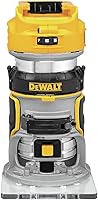
The DEWALT 20V Max XR Cordless Router has a fixed base, a variable-speed dial, a depth adjustment ring, dual LEDs, soft start, full-time electronic feedback, and an electronic brake. Its battery-powered design removes the power cord from the work area, but you still need to plan battery use and keep the cut controlled.
What should you do before using a DeWalt cordless router?
Prepare the bit, workpiece, base, and battery before starting the motor. Read the tool instructions, inspect the bit, and clear the bench so the router has a stable path.
Clamp the workpiece firmly to a solid surface. Keep the clamps far enough from the router's travel path that the base cannot strike them.
Select a bit that matches the cut. A straight bit suits a groove or dado, while a round-over or chamfer bit changes an edge profile.
If you need a specific joint, see our guide to wood routers for woodworking.
Check that the collet and bit shank are clean. Insert the bit to the proper depth for a secure grip, then tighten it with the supplied wrench.
Remove the battery while installing or changing the bit.
How do you set the cutting depth?
Set the bit so it removes only a small amount of material on the first pass. Use the depth adjustment ring to bring the bit down gradually, then lock the base before routing.
For an edge profile, place the router base on the workpiece and adjust the bit relative to the edge. For a groove, measure from the reference edge and use an edge guide or straightedge to keep the path consistent.
Make a test cut in scrap from the same or similar material. Check the depth, width, and position before moving to the project piece.
A deep cut in one pass can make the router harder to control and may leave a rougher edge. Several light passes usually give you more control, especially when the cut follows end grain or removes a large amount of material.
How do you choose speed and direction?
Start with a moderate speed and let the bit and material guide the final setting. The DeWalt router's variable-speed dial lets you match the router speed to the application.
Move the router steadily without pushing it faster than the bit can cut. A slow feed can leave heat or burn marks, while a rushed feed can cause a rough cut or pull the router away from the intended line.
For a normal outside-edge cut, feed against the bit's rotation. With the router between you and the workpiece, this commonly means moving from left to right.
Check the direction on scrap first because the correct path changes with inside edges, templates, and some climb-cut situations.
If you are learning how to use a dovetail router bit, practice the feed direction and depth on scrap before cutting a joint. Dovetail cuts need careful layout and controlled depth changes.
How do you make the first cut?
Place the router base flat, start the motor clear of the edge, and move into the cut smoothly. Keep both hands on the tool and maintain a firm grip throughout the pass.
Let the soft-start motor reach a steady speed before entering the wood. Keep the base supported by a broad, stable surface instead of balancing it on a narrow edge.
Follow the layout line or guide at a steady pace. The dual LEDs on the DeWalt router help illuminate the work surface and improve bit visibility, but they do not replace eye protection or careful layout.
Stop the router only after the bit clears the workpiece. The electronic brake slows the motor after shutoff, but wait for the bit to stop before setting the tool down.
Which DeWalt cordless router setup suits a first project?
The DeWalt model suits a first project when you want a battery-powered fixed-base router with variable speed, depth adjustment, dual LEDs, and soft start.
It is a tool-only kit with a fixed base, instruction manual, wrench, and router motor. Choose it when you already have the required 20V battery system, then confirm your battery is charged before starting a long series of passes.
For help comparing battery options, see best DeWalt router battery. If you want to compare cordless kits more broadly, review best cordless router with battery.
What guides help keep a router cut straight?
Use an edge guide, straightedge, or template when the cut must stay on a measured line. A guide reduces wandering, but it still needs firm clamping and a clear path.
Measure from the router base or guide to the bit, not just from the bit to the workpiece edge. Mark the waste side of the line so you know which side of the layout to keep.
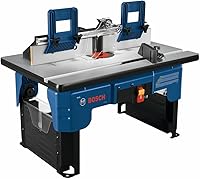
A router table can help with repeated edge work, but the workpiece must remain supported and controlled. A featherboard can hold stock against a fence when the setup is suitable.
See our guide to the best featherboard for router table.
For small edge treatments, compare the options in best trim routers for woodworking. A compact router is useful when the project calls for lighter handling and a smaller base.
Which alternative products help with router work?
A cordless DeWalt router is useful when you want freedom from a power cord. A corded compact router can suit a fixed bench setup, while another cordless model may fit a different battery system.
The AVID POWER 6.5 Amp 1.25 HP Compact has a fixed base, 6 variable speeds from 10,000 to 32,000 RPM, dual LEDs, an edge guide, roller guide, dust hood, 5 router bits, 1/4 in and 3/8 in collets, spare carbon brushes, and a wrench.
Choose it when you want a corded setup with several included routing accessories. Its 120V power source means you need to manage the cord while routing.
The Milwaukee Cordless Compact Router has an 18V battery-powered fixed base, a POWERSTATE brushless motor, REDLINK PLUS Intelligence, a 10,000 to 31,000 RPM variable-speed dial, and a macro adjustment button with 1.5 in of adjustable range.
Choose it when you already use the matching 18V battery system and want cordless operation with a broad speed range. Its included components are the unit and instruction guide.
If you are comparing brushless tools, What Does Brushless Mean on a Cordless Saw? explains why the motor design matters in everyday cordless tool selection. For a wider comparison, see best cordless router for woodworking.
How do you route an edge safely?
Support the router before the bit touches the wood, keep the base level, and take light passes. Roundovers and chamfers are easier to control when the workpiece is held securely and the bit is sharp.
Run the router in the correct feed direction for the edge. Keep the cord or battery area clear of the cutting path, and do not reach across a running bit.
Use hearing and eye protection, and control dust with suitable extraction when the setup allows it. The AVID POWER router includes a dust hood that can connect to a standard shop vacuum.
Stop if the router chatters, binds, burns the wood, or begins to pull away from the guide. Check the bit, depth, feed direction, and workpiece support before continuing.
How do you care for a DeWalt cordless router?
Remove the battery, let the tool cool, and clear dust from the base and controls after routing. Wipe the tool with a dry cloth and keep the bit and collet clean.
Inspect the bit for damage before the next use. Store bits where their cutting edges cannot strike other tools, and keep the router in a dry place.
Check the base and depth adjustment before each project. A fixed base must lock firmly so the bit cannot change height during a pass.
What is the best way to use a DeWalt cordless router?
For how to use a DeWalt cordless router, choose the bit and guide first, secure the workpiece, set a shallow depth, and make a test cut. Pick the DeWalt if you want a 20V fixed-base tool with variable speed, dual LEDs, soft start, and electronic braking.
Choose the AVID POWER if a corded kit with guides, a dust hood, bits, and two collet sizes fits your setup. Choose the Milwaukee if its 18V cordless system and 10,000 to 31,000 RPM range suit your tools.
Keep each pass light and controlled. The safest routing results come from a stable workpiece, a sharp bit, the correct feed direction, and adjustments made only with the battery removed.
Frequently asked questions
How do you use a DeWalt cordless router?
Fit the correct bit, unplug or remove the battery while adjusting it, secure the workpiece, set the depth, and choose a suitable speed. Insert the battery only when you are ready to cut, keep both hands on the router, and make shallow passes with steady movement.
Which way should you move a cordless router?
For a standard outside edge, move the router from left to right when viewing the edge with the router between you and the workpiece. Keep the base flat, feed against the bit's rotation, and make a test pass on scrap before routing the final edge.
Can you use a DeWalt cordless router for grooves?
Yes, a fixed-base cordless router can cut grooves when the bit, depth, guide, and workpiece support suit the job. Set a shallow first pass, use an edge guide or straightedge for alignment, and check the groove width and depth on scrap before cutting the project.
How deep should a router cut in one pass?
Use shallow passes rather than trying to reach the full depth at once. The right amount depends on the bit, wood, grain, and router, so start conservatively, check the cut, and lower the bit only after the router moves smoothly without burning or strain.