Plunge Router vs Fixed Base: Which Should You Choose? (November 2026)
Choose a plunge router for interior cuts and changing depth, or a fixed base for steady edge routing. A combo kit gives you both setups when your projects need each type.
On this page (11 sections)
- Plunge router vs fixed base: what is the difference?
- When should you choose a fixed base router?
- When should you choose a plunge router?
- Can a plunge router handle edge routing?
- Which router gives better depth control?
- Which router is better for interior plunge cuts?
- Which products fit each use?
- How should you choose between the DEWALT and SKIL combos?
- How do you route safely with either base?
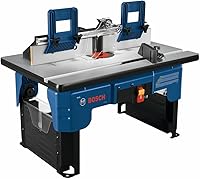
- Can a fixed base router work in a router table?
- Final choice: plunge router vs fixed base
Choose a plunge router for interior cuts and changing depth, or a fixed base for steady edge routing. The best choice depends on where the cut starts, how often the depth changes and whether you need one router for several jobs.
A fixed base keeps the motor at a selected height. A plunge base lets the motor move vertically against spring tension, so you can lower the bit into the workpiece instead of starting from an exposed edge.
If you want both options, the wood routers for woodworking guide explains how router size, base style and bit choice fit together.

Plunge router vs fixed base: what is the difference?
A fixed base is best for controlled edge routing, while a plunge base is best for interior plunge cuts. Both can shape wood, but the base changes how you start, guide and stop the cut.
With a fixed base, you set the bit height before routing. The base then holds that depth while you move the router along an edge, fence or template.
With a plunge base, the router starts with the bit above the workpiece. Press the handles down to lower the bit, make the cut and release pressure to raise it again.
That movement makes a plunge router useful for cuts that begin away from an edge. It also gives you more control when a groove or mortise must stop before reaching the end.
When should you choose a fixed base router?
Choose a fixed base for repeated edge profiles, rabbets, chamfers and flush-trim work. It suits jobs where the bit enters from the edge and the cutting depth should stay consistent.
A fixed base can be easier to control because the router does not move vertically during the cut. That makes it a practical choice for roundovers, edge bevels and work guided by a straightedge.
Fixed bases also suit repeated setups. Once the bit height is correct, you can make several matching passes without managing plunge pressure.
The trade-off is that a fixed base is not designed for lowering the bit into the center of a board. You need an opening, a starter hole or another safe way to begin the cut.
For compact-router work, the POWERTEC Router Base Plate 5-3/4 Inch w/Screws can help improve visibility on compatible models. Check your router model before using any replacement base plate.
When should you choose a plunge router?
Choose a plunge router for interior grooves, mortises, stopped cuts and changing depths. The spring-loaded base lets you lower the bit into the workpiece after the router is running.
This matters when a cut should not extend to an edge. You can start inside the board, move along a marked path and lift the bit before reaching the stopping point.
A plunge base also helps with staged cuts. Start shallow, check the result and lower the bit for another pass instead of removing the full amount of material at once.
Depth control still depends on the router design. Some models use coarse stops plus a fine adjustment, while others focus on a threaded depth ring or similar mechanism.
Read what a router plunge base is used for before choosing a base for a specific project. The workpiece and cut pattern should determine the choice.
Can a plunge router handle edge routing?
Yes, a plunge router can handle edge routing, but a fixed base may feel simpler for repeated profiles. Lock the plunge depth or use the router's depth stop so the bit does not move while you guide the base.
A plunge router is useful when one project includes both an edge profile and an interior cut. You can keep the same motor and change the base when the design calls for it.
The main concern is control. Keep both hands on the handles, let the bit reach operating speed and move the router at a steady rate.
A fence, template or guide bearing can help keep the cut on track. Follow the router manual for bit size, speed and feed direction.
If your work is mostly small trim or flush cuts, compare a trim router vs plunge router before choosing a larger full-size tool.
Which router gives better depth control?
A plunge router gives more useful depth control during interior cuts, while a fixed base gives simpler locked depth for edge work. Neither base is automatically better for every operation.
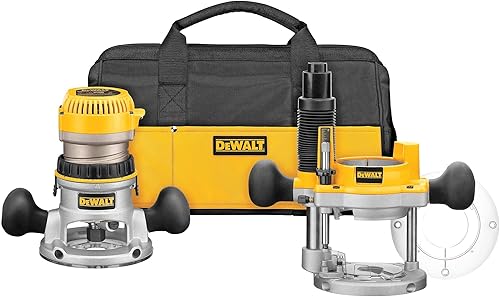
The DEWALT Router has a micro-fine depth-adjustment ring with adjustments in 1/64-inch increments. Its fixed and plunge bases let you use the same motor for both kinds of cuts.
The SKIL 14 Amp Plunge and Fixed Base Router Combo has 3 coarse depth settings and micro-depth adjustment. Its LCD speed display helps you select a suggested speed based on the bit and material.
For a fixed base, set the height before the cut and tighten the lock firmly. For a plunge base, check the depth stop, springs and plunge action before bringing the bit into the workpiece.
Make test cuts in scrap wood when the depth affects a joint or visible edge. A small change in height can alter a rabbet, dado or decorative profile.
Which router is better for interior plunge cuts?
A plunge router is the clear choice for interior cuts because the bit can enter the workpiece from above. A fixed base needs a safe starting opening or an edge entry, which limits stopped cuts.
Interior plunge cuts include mortises, hinge recesses, sign lettering and grooves that stop short of one or both ends. Mark the cut, secure the workpiece and use a guide when the path needs to stay straight.
Lower the bit slowly and avoid forcing the router into the wood. Multiple shallow passes reduce the load on the motor and give you more chances to check the cut.
The DEWALT model uses brass bushings and case-hardened steel guide rods for its plunge stroke. The SKIL model includes a plunge base and a dust extraction adaptor for that base.
A plunge router does not remove the need for layout. Mark the start and stop points clearly, and confirm that the bit will not contact clamps, screws or other hardware.
Which products fit each use?
The DEWALT and SKIL products fit buyers who want both fixed and plunge bases, while the POWERTEC plate fits compatible compact routers that need a clearer, more stable base.
Choose the DEWALT Router when you want a 12-amp corded motor, fixed and plunge bases, soft start, variable speed and fine 1/64-inch depth adjustments. Its included components include the motor pack, both bases, 1/4-inch and 1/2-inch collets, a wrench, a large-hole sub-base, a vacuum adapter and a soft carry bag.
Choose the SKIL 14 Amp Plunge and Fixed Base Router Combo when the LCD speed display and electronic feedback match your setup. It includes fixed and plunge bases, a parallel guide, a collet wrench, 1/4-inch and 1/2-inch collets and dust extraction adaptors.
Choose the POWERTEC Router Base Plate 5-3/4 Inch w/Screws for a compatible trim, flush, palm or compact router. Its 1/4-inch thick hardened acrylic construction is clear, and it includes installation screws.
The POWERTEC plate is not a substitute for a complete plunge router. Its listed compatibility includes the DEWALT DWP611PK, Makita RT0701CX7, Bosch GKF125CEN and PR10E/PR20EVS, Ryobi P601, Porter Cable PCE6435, Milwaukee M18 and Ridgid R2911 and R2401/R24012.
How should you choose between the DEWALT and SKIL combos?
Choose the DEWALT for fine depth adjustments and a lighter combo kit, or the SKIL for its LCD speed display and higher listed motor output. Both include fixed and plunge bases for general routing work.
The DEWALT weighs 10.1 lb and has a 12-amp motor with a maximum rotational speed of 24,000 RPM. Its variable speed range runs from 8,000 to 24,000 RPM.
The SKIL weighs 14.3 lb and has a 14-amp motor with a maximum rotational speed of 25,000 RPM. Its speed display gives task-based guidance for the bit and material.
Weight matters when you guide the router across a large panel or hold it over a workpiece. Motor output matters when the job calls for repeated passes through tougher material, but bit choice and feed rate still affect the cut.
Both tools are corded electric. Plan the cord path before routing, keep it away from the bit and use dust extraction when the setup supports it.
How do you route safely with either base?
Secure the workpiece, install the correct bit and make sure the router is unplugged during bit changes. Start the tool only after the base, collet and guide are ready.
Use eye and hearing protection, keep the cord clear and hold the router with both hands. Let the motor reach speed before entering the cut.
Feed direction matters. A conventional feed usually gives better control for handheld edge routing, while a climb cut can pull the router forward unexpectedly.
Take shallow passes when removing a lot of material. A deep pass can increase vibration, reduce control and place more load on the bit and motor.
Keep the base flat on the workpiece. If one side lifts, the bit can cut deeper than planned or leave an uneven profile.
A dust port or vacuum adapter can improve visibility, but it does not replace eye protection or safe work habits. The DEWALT plunge base includes through-the-column dust collection, and both DEWALT and SKIL provide dust extraction components in their listed kits.
For a compact setup, the best compact plunge router guide can help you compare smaller tools for lighter work. If portability matters, see the best cordless compact router guide as well.
Can a fixed base router work in a router table?
A fixed base is usually the more natural choice for table routing because its depth stays set while the router is mounted below the table. Confirm that the exact router and table support one another before installation.
A table can make repeated edge profiles easier because the workpiece moves across the bit. It can also improve support for smaller pieces when the fence and featherboards are set correctly.
The main trade-off is access. Bit changes and height adjustments may be less convenient under a table, depending on the table design.
Read how to use a Rockler router table for table-specific setup ideas. If you use a Ryobi table, the how to use a Ryobi router table guide covers that style of setup.
Never reach near a spinning bit to adjust a fence or clear waste. Disconnect power before making changes under the table.
Final choice: plunge router vs fixed base
Pick a fixed base for steady edge routing, a plunge base for interior cuts and changing depth, or a combo kit when you need both. The DEWALT is the strongest fit here for fine depth control and a lighter full-size combo, while the SKIL suits buyers who want an LCD speed display and higher listed amperage.
Choose the POWERTEC plate only when you need a compatible compact-router base with a clear 5-3/4-inch profile. It improves the base setup, but it does not provide the motor or plunge mechanism.
The key decision is simple: if the bit must start inside the board, choose plunge action. If the bit follows an exposed edge at one set depth, fixed-base routing is usually the more direct setup.
Frequently asked questions
Is a plunge router better than a fixed base router?
A plunge router is better for starting cuts inside a workpiece and changing depth during the cut. A fixed base router is better for steady edge routing and repeated depth settings.
If you do both kinds of work, a combo kit with fixed and plunge bases is the most flexible choice.
Can a plunge router do edge routing?
Yes, a plunge router can handle edge routing when the base is set securely and the depth is controlled. A fixed base usually feels more direct for repeated edge work because the cutting depth stays locked.
Use a fence or guide when the edge must remain straight.
What is the main advantage of a fixed base router?
The main advantage is stable depth control for edge profiles, rabbets and other cuts that begin at the edge. Set the bit height, lock the base and guide the router along the workpiece.
That setup is simple when the cut does not need to start in the middle.
What is the main advantage of a plunge router?
The main advantage is controlled vertical movement. You can lower the bit into the workpiece for interior grooves, mortises and stopped cuts, then raise it at the end.
A plunge base also helps when the cut depth changes during a project.