Is a Reciprocating Saw a Sawzall?
A Sawzall is a reciprocating saw made under Milwaukee Tool's Sawzall brand. People often use the brand name as a general term for this kind of saw, but reciprocating saws from other brands are not Sawzalls.
On this page (7 sections)
- Is a reciprocating saw a Sawzall?
- Why do people say “Sawzall” for reciprocating saws?
- What should you check when choosing a reciprocating saw?
- Are Sawzall blades different from reciprocating saw blades?
- How is a reciprocating saw different from other saws?
- Which term should you use when shopping?
- Is a reciprocating saw a Sawzall? The short answer
A Sawzall is a reciprocating saw made under Milwaukee Tool's Sawzall brand. The name is often used for the tool type in everyday speech, but a reciprocating saw from DEWALT, Makita, or another brand is not technically a Sawzall.
The useful distinction is simple: reciprocating saw names the tool design, and Sawzall names Milwaukee Tool's brand. When choosing a saw or blade, check the tool's features and compatibility rather than relying on the nickname.
Is a reciprocating saw a Sawzall?
A reciprocating saw is a Sawzall only if it's a Milwaukee Tool Sawzall. The tool category includes products from many brands, while Sawzall is one brand's name for its reciprocating saws.
A reciprocating saw cuts with a blade that moves rapidly back and forth. The design suits rough cuts, demolition, and work where a larger saw may not fit, though the right blade and technique depend on the material and task.
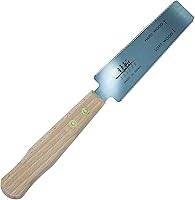
For flush trimming in woodworking, see flush cut saws for woodworking.
People may use “Sawzall” to mean any reciprocating saw in casual conversation. For shopping, repairs, and blade selection, use the tool's actual brand and model so you can check its manual and compatibility details.
Why do people say “Sawzall” for reciprocating saws?
Sawzall became familiar shorthand because it's a recognizable brand name for a reciprocating saw. That everyday usage doesn't change the distinction between a brand and the wider tool category.
The same distinction matters when you compare tools. If weight is a priority, compare lightweight reciprocating saws.
A cordless reciprocating saw may be useful if you need to move around a jobsite, while a corded model avoids swapping batteries during longer work.
Our guide to the best cordless reciprocating saw compares cordless options.
If you already have a tool, identify its brand and model before looking for a blade or accessory. For example, a Makita reciprocating saw is a reciprocating saw, but it's not a Milwaukee Sawzall.
What should you check when choosing a reciprocating saw?
Match the saw to your power needs, cutting tasks, and blade setup. A brand name alone doesn't tell you whether a tool's power source, speed control, or blade clamp suits your work.
Cordless tools offer freedom from a nearby outlet, while corded saws draw power through a cord. Also compare variable speed controls, stroke length, grip, and blade clamp positions when those features matter to the cuts you plan to make.
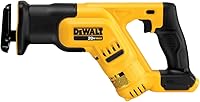
For a cordless example, the DEWALT 20V MAX model has a variable speed trigger, a 1-1/8 in stroke length, and a 4-position blade clamp. Its battery and charger are sold separately.
Use the maker's manual for setup and safe operation. If you're new to the tool, start with how to use a Ryobi reciprocating saw for a practical look at operating a reciprocating saw.
Is a corded reciprocating saw a Sawzall?
A corded saw can be a Sawzall if it's a Milwaukee Tool model; being corded doesn't decide the brand. Corded and cordless describe how a saw gets power, not whether it belongs to the Sawzall line.
The DEWALT DWE305 is a corded reciprocating saw with a 12 amp motor, variable speed trigger, 1-1/8 in stroke length, and 4-position blade clamp. It is a DEWALT saw, so it isn't a Sawzall.
Choose corded if an outlet and cord routing work for the job. Choose cordless when moving freely matters more, and account for the battery and charger you need.
Are Sawzall blades different from reciprocating saw blades?
Sawzall blades are reciprocating saw blades, and many blades work across brands when the shank and clamp are compatible. Check the saw manual and blade packaging before fitting one.
The word Sawzall on a blade package may refer to the tool category in common usage. It doesn't confirm that a blade suits every model, material, or cut, so check the blade type and intended use.
A metal and wood blade set can help when you need blades for more than one material. The DEWALT 6-piece set is made with bi-metal construction and is described for metal and woodcutting applications.
Choose a blade based on the material and cut, then check its length and shank compatibility. A diamond reciprocating saw blade is one option to consider for a specific cutting task; don't assume it suits general cutting.
How is a reciprocating saw different from other saws?
A reciprocating saw's blade moves back and forth, but other saw types use different blade paths and guide the cut in different ways. For example, whether a scroll saw can cut metal depends on its blade and setup.
Pick the tool based on the cut you need, the material, and how much control the job requires. For controlled woodworking cuts, see Japanese pull saws.
A jigsaw also uses a reciprocating blade, but its base rests against the workpiece and helps guide the cut. See what is the difference between a jigsaw and a reciprocating saw for a closer comparison.
A band saw uses a continuous blade loop, while a table saw uses a circular blade beneath a flat table. Those designs suit different cuts and work setups; learn more about benchtop band saws for woodworking or whether a table saw is a bench saw.
Reciprocating saw attachments can also change how you use the tool, but fit and purpose vary. Review reciprocating saw attachments before adding one to your setup.
Which term should you use when shopping?
Search for “reciprocating saw” when you want tools from any brand, and search for “Sawzall” when you mean Milwaukee Tool's brand. This keeps brand comparisons and compatibility checks clear.
For a specific tool, confirm the brand, model, power source, blade clamp, and manual. For a blade, check its intended material and shank fit; don't rely on “Sawzall” as a universal compatibility label.
If you need a reciprocating saw, compare cordless and corded models against the job. If you already own a saw, use its model information to choose blades and accessories that fit.
Is a reciprocating saw a Sawzall? The short answer
Use “reciprocating saw” for the tool category and “Sawzall” for Milwaukee Tool's brand. That distinction helps you compare tools across brands and check blades against the exact saw you own.
Choose a DEWALT, Makita, or other brand by its features and power source. Choose a Milwaukee Sawzall when you specifically want that brand, and verify blade compatibility in either case.
Frequently asked questions
Is every reciprocating saw a Sawzall?
No. Sawzall is Milwaukee Tool's brand name for its reciprocating saws.
Other companies make reciprocating saws under their own brands, so a DEWALT, Makita, or Ryobi reciprocating saw is not a Sawzall, even though it uses the same general tool design.
Is Sawzall a brand or a type of saw?
Sawzall is a Milwaukee Tool brand name, while reciprocating saw is the general tool type. The brand name is often used informally for reciprocating saws, much like a familiar brand name can become everyday shorthand, but the terms are not technically interchangeable.
Do Sawzall blades fit other reciprocating saws?
Many reciprocating saw blades fit tools from different brands when the saw uses a compatible shank and clamp. Check your saw's manual and blade instructions before buying, since the word Sawzall on a blade or package does not guarantee that every saw accepts it.
What is the difference between a reciprocating saw and a jigsaw?
A reciprocating saw has a blade that moves back and forth and is commonly used for rough cutting and demolition. A jigsaw also has a reciprocating blade, but its base sits on the workpiece and helps guide cuts in sheet material and curves; the two tools serve different jobs.