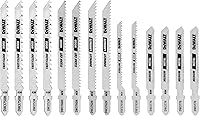
Which Coping Saw Blades Should You Use for Metal?
For metal, use a coping saw blade only when its frame and blade are rated for the material, and choose fine, closely spaced teeth suited to the metal’s thickness. Check the blade’s fit and tooth direction, then test the setup on scrap before cutting your workpiece.
On this page (9 sections)
- What coping saw blade should you use for metal?
- How should you choose tooth spacing for metal?
- How do you check blade fit and tooth direction?
- How do you cut metal with a coping saw?
- When is a coping saw the wrong tool for metal?
- Which product types are easy to confuse with coping saw blades?
- What should you check before buying a metal coping saw blade?
- Can coping saw blades cut metal safely?
- What is the best choice for your cut?
Metal cutting coping saw blades should have fine, closely spaced teeth and fit your frame securely. Check that the blade and saw are suitable for the metal you plan to cut; a coping saw is intended for controlled, narrow cuts, and the wrong blade or an unsupported workpiece can make cutting difficult.
The right tooth spacing depends on the metal’s thickness and shape. A fine-tooth blade helps keep teeth engaged on thin stock, while thicker material can allow a coarser tooth pattern.
Follow the blade maker’s guidance for the material and thickness rather than relying on a single tooth-count rule.
What coping saw blade should you use for metal?
Choose a fine-tooth blade that the manufacturer identifies as suitable for your metal, and confirm it fits the saw frame. Check its length, pin or end style, tooth direction and tensioning method against your saw’s instructions.
A coping saw blade can make short, curved or internal cuts when the workpiece is held securely. It is a poor fit for long, fast cuts through thick metal, where another tool may be more practical.
If you are comparing hand saw formats, see our guide to best hand saw blades for metal.
Do not assume that a blade will cut metal simply because it fits the frame. Blade material, tooth geometry and the saw’s intended use all matter.
How should you choose tooth spacing for metal?
Choose tooth spacing so several teeth stay in contact with the work at once. Thin sheet can catch or snag when the teeth are too coarse, while very fine teeth can cut slowly through thicker stock.
For a specific blade, use its manufacturer’s recommendations for material type and thickness as your starting point. If the package does not make the intended material clear, don’t infer metal suitability from the blade’s shape or from its fit in the frame.
The cutting edge and workpiece also matter. Burrs, sharp corners and a loose hold can catch the blade, so secure the stock and start gently.
Let the teeth cut with steady strokes instead of forcing the frame through the material.
What does TPI mean on a coping saw blade?
TPI means teeth per inch, a count of how closely the teeth are spaced along the blade. A higher count usually means finer spacing, but TPI alone does not show whether a blade is designed for a particular metal or thickness.
Compare the blade’s stated application and thickness range first. Then use TPI to compare spacing among blades intended for the same kind of work.
Should you use a coarse or fine blade on thin metal?
Use a fine blade that is approved for the metal and thickness when cutting thin stock. Fine spacing helps keep multiple teeth engaged, which can reduce the chance that an individual tooth catches at the edge.
Start with light pressure and a steady pace. If the blade binds, bends or skips, stop and check the workpiece support, blade tension, tooth direction and whether the blade is appropriate for the material.
How do you check blade fit and tooth direction?
A compatible blade must fit the frame securely and tension correctly. Check the saw manual or frame markings for blade length and attachment style before buying a replacement.
Many coping saws use pinned blades, but replacement formats can differ. Scroll saws use their own fittings; see replacement scroll saw blade clamps.
Confirm the pin or end style and the frame’s mounting points; do not force a blade that does not seat properly.
Our guide to best hand saw replacement blades covers the fit checks that apply across hand saws.
Check the tooth direction after mounting. The teeth should face the direction specified by the saw maker, and the blade should feel taut without being bent or twisted.
If the saw’s instructions are missing, identify the frame model and seek compatible blade guidance from its maker.
For broader selection advice, read how to match a saw blade to the tool and material. A matching blade depends on both the tool connection and the material, not just the blade’s length.
How do you cut metal with a coping saw?
Secure the metal, support the area near the cut, and use short, controlled strokes with a suitable blade. Keep your hands clear of the blade path and follow the safety guidance for the metal and saw.
- Mark the cut line clearly.
- Clamp the work so it cannot shift, while keeping the cut area accessible.
- Check blade fit, tension and tooth direction.
- Start with light strokes to establish the cut.
- Keep the frame aligned with the cut path and avoid twisting the blade.
- Stop if the blade binds, loosens or begins to bend.
For an internal cut, use the frame’s intended blade-release method to pass the blade through the opening, then reinstall and tension it according to the saw instructions. Avoid using the blade as a lever to widen the cut.
Wear eye protection and follow the tool and material makers’ safety instructions. Metal edges can be sharp, and cutting can leave burrs.
Handle the workpiece carefully after the cut, and use a finishing method appropriate to the material.
When is a coping saw the wrong tool for metal?
A coping saw is a poor choice when the cut is long, thick, straight, or likely to need more rigidity or speed. Choose a tool and blade rated for the material and the job, and secure the work before cutting.
A hacksaw is a common manual option for metalwork, with frame and blade choices that vary by task. For powered cutting, a reciprocating saw or band saw may suit some work, provided the blade and tool are approved for the material.
Compare options in best band saw blades for cutting metal.
A coping saw may still make sense for a small, carefully supported cut where its narrow frame and blade access help. If the blade repeatedly wanders or binds, stop and reconsider the tool instead of pressing harder.
For woodworking, the blade choice changes again. Our guide to best wood band saw blades covers a different material and cutting setup.
Which product types are easy to confuse with coping saw blades?
A blade that cuts metal in one tool does not automatically fit or work in a coping saw. Match the product to the tool before buying.
The Freud set is intended for wood groove cutting and includes two blades, three chippers, spacers, shims and a case. Compare dado blade sets for more options.
Its circular form and dado purpose differ from a narrow coping saw blade.
This six-piece set is made for reciprocating saws. Its bi-metal construction and tall, thick blade profile are described for durability and straight cuts in heavy metal applications, but that does not make the blades compatible with a coping saw.
This 7-1/4 in circular blade has 40 teeth and is described for hardwood, softwood and plywood. For table saw ripping, compare table saw blades for ripping.
It is a different blade type and application, so do not use it as a substitute for a coping saw blade.
For more coping saw options, see best coping saw blades. Check each blade’s intended material and frame compatibility before choosing.
What should you check before buying a metal coping saw blade?
Check four details: material suitability, thickness guidance, frame fit and tooth direction. If any of these are unclear, confirm them with the saw or blade maker before using the blade on your workpiece.
Use this checklist:
- Material: Does the manufacturer identify the blade for the metal you plan to cut?
- Thickness: Does the recommended range cover your workpiece?
- Fit: Does the blade’s length and end style match the frame?
- Direction: Can you mount it in the orientation specified by the saw maker?
- Support: Can you clamp the material close enough to the cut to prevent movement?
- Cut shape: Is the work small and controlled enough for a coping saw?
Do not choose from TPI alone. Tooth spacing is useful only alongside blade material, tooth shape and the maker’s intended application.
Can coping saw blades cut metal safely?
They can cut metal when the saw and blade are designed for that material and the work is supported properly. A blade that is too coarse, poorly fitted or used on an unsecured part may catch, bend or break.
Read the saw and blade instructions, use eye protection, and keep fingers away from the cut path. Avoid twisting the blade to steer around a curve; use a suitable cut path and reposition the work if needed.
What is the best choice for your cut?
Choose a fine, manufacturer-approved coping saw blade for small metal cuts where the blade fits the frame and the workpiece can be held securely. For thick stock, long cuts or heavy metal, compare a metal-rated saw and blade designed for that job.
The practical rule is match the blade to the material, then confirm it fits the tool. If you need a flush cut on wood or trim, our flush cut saw blade guide covers that separate use; for angled cuts, see why saw cutting capacities change at an angle.