How to Use a Fixed Base Router
To use a fixed base router, secure the bit, set a shallow depth, clamp the workpiece, and move the router steadily against the bit's rotation. Make several light passes instead of forcing one deep cut.
On this page (11 sections)
- What is a fixed base router?
- How do you prepare a fixed base router?
- How do you set the cutting depth?
- How do you hold and move a fixed base router?
- How do you control speed and feed rate?
- How do you route an edge safely?
- How do you manage dust and visibility?
- What should you do after routing?
- Can you use a fixed base router in a router table?
- What is the best way to learn fixed base routing?
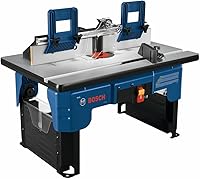
- For more buying context, compare the best fixed base router options and best bosch routers for woodworking before choosing your setup.
To use a fixed base router, install the bit, set the depth, secure the workpiece, and make steady shallow passes in the correct direction. Keep both hands on the router, let the bit reach speed before entering the wood, and avoid forcing the cut.
A fixed base router keeps the motor at one set height while you guide it across the workpiece. That makes it useful for edge profiles, grooves, dados, rabbets, and other cuts that start at the edge or use a guide.
What is a fixed base router?
A fixed base router is a router whose motor stays locked at a selected cutting height during operation. Unlike a plunge base, it doesn't move vertically into the middle of a board while you cut.
For a side-by-side choice, compare plunge routers and fixed base routers.
The fixed height helps with repeatable edge work. You set the bit depth before switching on the router, then keep the base flat as you move along the cut.
If you need to start a cut in the middle of a panel, a plunge base may suit the job better. Compare the differences in this guide to fixed base vs trim router, especially if you are choosing between router sizes.
How do you prepare a fixed base router?
Prepare the router by checking the bit, collet, base, cord, and workpiece before connecting power. The wood should be clamped securely, with enough room for the router base to travel without hitting an obstruction.
Choose a bit suited to the cut. A straight bit can make a groove or dado, while a profile bit shapes an edge.
For a curved edge treatment, see how to use a roundover router bit.
Make sure the bit is clean and undamaged. Insert it into the collet according to the router and bit instructions, then tighten it with the correct wrench.
Do not leave more bit shank exposed than the instructions allow.
How do you choose a fixed base router?
Choose a fixed base router based on the cut, bit size, speed control, depth adjustment, and how often you need to move it. Larger motors can suit demanding hardwood work, while compact models may feel easier to control on smaller edges.
Our guide to wood routers for woodworking explains the main router types and the features that affect daily use. Check the collet size too, since the bit must match the router's supported collet.
How do you set the cutting depth?
Set the fixed base router so the bit removes only a shallow layer on the first pass. Measure from the router base or use a scrap piece of the same thickness to confirm the result before cutting the finished workpiece.
Loosen the depth adjustment, move the base or motor to the desired position, and lock it firmly. The bit should extend only far enough to create the planned cut.
For a deep groove or rabbet, increase the depth in stages. Several light passes give you more control and reduce the chance of burning, tear-out, or an overloaded motor.
The DEWALT Router suits readers who want a fixed and plunge base kit with a 12-amp motor, variable speed from 8,000 to 24,000 RPM, soft start, and micro-fine depth adjustment in 1/64-inch increments.
The kit includes a DW618M motor pack, DW6184 fixed base, DW6182 plunge base, 1/4 in and 1/2 in collets, a wrench, a large-hole sub-base, a vacuum adapter, and a soft carry bag. Its through-the-column dust collection is designed to collect dust while keeping the bit visible.
How do you hold and move a fixed base router?
Hold the router with both hands and keep the base flat on the workpiece. Stand in a balanced position so you can move past the end of the cut without leaning or twisting.
Start the motor before the bit touches the wood. Let it reach operating speed, then enter the work smoothly.
Keep the router moving at a steady rate so the bit doesn't stay in one spot.
For an outside edge, use a conventional cut where the rotation pushes the router into the work. Move from left to right when the bit is between you and the workpiece, and keep firm pressure against the reference edge.
A climb cut moves in the opposite direction and can pull the router along the edge. Avoid it for normal freehand work unless a specific setup and experienced control make it appropriate.
How do you use a fixed base router for a straight groove?
To use a fixed base router for a straight groove, mark both ends, clamp the board, and guide the router with an edge guide or straightedge. Make a shallow first pass, then check the fit before increasing depth.
Keep the base supported throughout the cut. If the router reaches an unsupported edge, the base can tip and change the groove depth.
The AVID POWER 6.5 Amp 1.25 HP Compact suits lighter routing and trimming work where a 4.4 lb fixed base router, 6 variable speeds from 10,000 to 32,000 RPM, and rack-and-pinion depth adjustment are useful.
The kit includes 1/4 in and 3/8 in collets, 5 router bits, an edge guide, a roller guide, spare carbon brushes, and wrenches. Its aluminum body and base, dual LED lights, and dust hood support guided work where visibility and cleanup matter.
How do you control speed and feed rate?
Use a lower speed when the bit is larger or the material is prone to burning, and use a faster setting only when it suits the bit and wood. Make the final choice from the router and bit instructions.
Feed the router slowly enough to leave a clean surface, but keep it moving. A dark mark often means the bit stayed in one place too long, the bit is dull, or the feed rate is too slow.
A rough cut can also come from taking too much material at once. Reduce the depth and make another pass instead of pushing harder.
How do you route an edge safely?
Clamp the board so the edge is fully supported and the router base can sit flat. Check that clamps are below the base path and won't force you to change direction mid-cut.
Use a bearing-guided bit against the edge when the profile allows it. For a straight profile, an edge guide or clamped straightedge can keep the router on line.
Make a test cut in scrap before routing the finished board. Confirm the profile, depth, feed direction, and surface quality before committing to the final piece.
How do you manage dust and visibility?
Control dust with a compatible dust hood or vacuum adapter, while keeping the bit and layout line visible. Wear suitable eye and hearing protection, and follow the router and bit instructions for safe operation.
The DEWALT kit has through-the-column dust collection and includes a vacuum adapter. The AVID POWER router includes a dust hood that can connect to a standard shop vacuum.
Stop the router before clearing chips or changing the bit. Disconnect corded power before adjustments, and wait until the bit stops completely.
What should you do after routing?
After routing, switch off the router and wait for the bit to stop before setting it down. Disconnect power before removing the bit, cleaning the collet, or changing the depth.
Brush away dust from the base and vents using the care method in the owner's instructions. Inspect the bit for resin, damage, or dull edges before storing it.
If your router stays mounted in a shop setup, mobility can help you clear floor space. The WEN Mobile Base has a 500 lb capacity, two fixed casters, two swivel casters, and two foot-locking brakes.
The square base adjusts from 11.8 by 11.8 in up to 35.4 by 35.4 in. The rectangular configuration fits bases up to 51.2 by 19.7 in, so measure the tool before choosing this accessory.
Can you use a fixed base router in a router table?
A fixed base router may suit a router table when the router, lift, plate, and mounting method are compatible. Check the router instructions and the table hardware before mounting anything.
A table setup can help with repeatable edge profiles and long workpieces, but it changes the direction and control method. Review this guide to table saw with router combo if you are planning a combined workshop setup.
A handheld fixed base router is often simpler for occasional grooves and edge work. A table can make repeated passes easier, but it requires careful setup and safe access around the bit.
What is the best way to learn fixed base routing?
The best way to learn how to use a fixed base router is to practice on scrap with shallow passes, a secure guide, and the same bit you plan to use on the finished piece. Start with straight cuts before trying profiles or narrow edges.
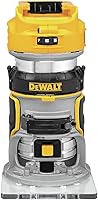
For a cordless model comparison, see how to use a DeWalt cordless router. For joinery that needs an angled profile, read how to use a dovetail router bit.
Choose the DEWALT Router if you want a fixed and plunge base kit with broad speed control and fine depth adjustment. Choose the AVID POWER compact router for lighter guided work and included bits, and consider the WEN Mobile Base when moving stationary tools is the workshop problem.
For more buying context, compare the best fixed base router options and best bosch routers for woodworking before choosing your setup.
Frequently asked questions
What is a fixed base router?
A fixed base router holds the motor at a set height while you guide it across the workpiece. You adjust the cutting depth before routing, then lock the base so the bit stays at that height during the cut.
This design suits edge profiles, grooves, dados, and repeatable shallow passes.
How deep should you set a fixed base router?
Set the bit only as deep as the cut requires, then remove material in several shallow passes. A lighter first pass is easier to control and puts less strain on the bit and motor.
Check the intended groove, dado, or edge profile before setting the final depth.
Which direction do you move a fixed base router?
For a typical outside edge, move the router from left to right when the bit is between you and the workpiece, keeping the base pressed against the edge. This conventional direction helps the router push into the work instead of climbing away.
Follow the bit maker's instructions for special setups.
Can a fixed base router cut dados and grooves?
Yes, a fixed base router can cut dados and grooves when you use a suitable bit, guide, and depth setting. Mark the layout, support the workpiece, and take multiple passes.
A straight edge or edge guide helps keep the cut aligned with the reference line.